By Interestana AI Editorial — AI-drafted, human-overseen. How we report
Nerve Stimulation May Enhance Motor Skill Retention, Study Finds
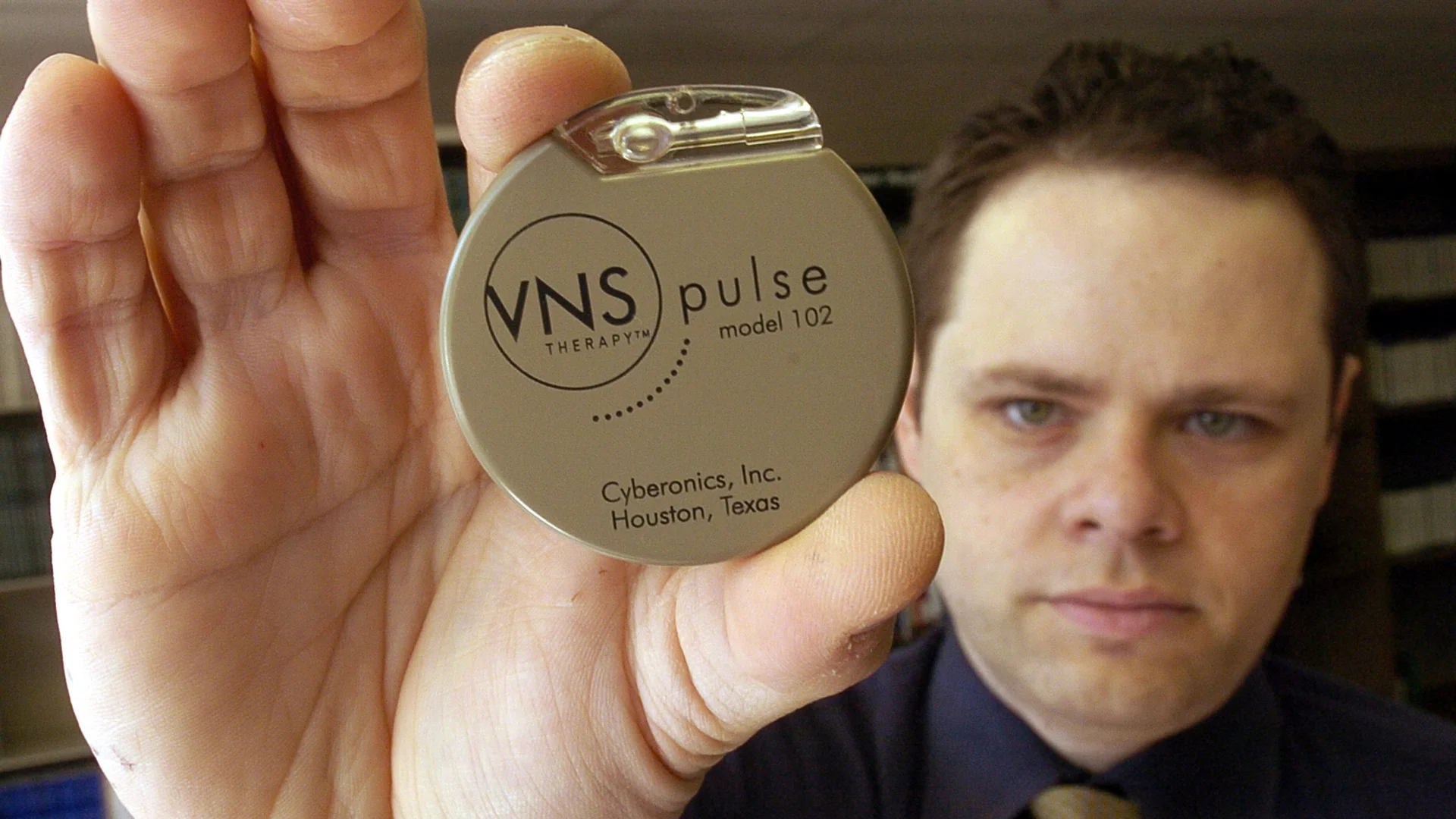
Stimulating nerve impulses, rather than relying solely on repetition, may be a more effective method for the brain to retain recently learned motor skills, according to new research. The study, published in the journal *Nature Neuroscience*, explored the underlying mechanisms of motor learning and memory consolidation, suggesting that specific sensory feedback from the body plays a crucial role in making these skills last.
Traditional approaches to motor learning often emphasize extensive practice and repetition. However, this new study posits that the quality and type of sensory information received by the brain during and after a movement are critical determinants of long-term retention. Researchers found that when participants engaged in tasks that generated specific patterns of nerve impulses, their ability to recall and perform those motor skills after a delay was significantly enhanced compared to those who only repeated the movements without this targeted sensory feedback. This suggests that the brain is not just counting repetitions but is actively processing and integrating sensory signals to solidify motor memories.
The research team utilized advanced neuroimaging techniques to monitor brain activity and nerve signal pathways during motor learning tasks. They identified specific neural circuits that are activated by afferent nerve signals originating from muscles and joints. When these signals were artificially modulated or enhanced through targeted stimulation, the consolidation of motor memories in the brain's motor cortex and cerebellum was observed to be more robust. This finding has significant implications for rehabilitation after neurological injuries, such as stroke, where motor function is often impaired. Current rehabilitation protocols heavily rely on repetitive exercises, but incorporating methods that amplify or mimic natural nerve impulses could potentially accelerate recovery and improve functional outcomes.
Furthermore, the study highlights the potential for developing novel therapeutic interventions. By understanding the precise nature of the sensory signals that promote motor memory, clinicians could design more personalized and effective training programs. This could involve using non-invasive brain stimulation techniques or specialized sensory feedback devices to augment the learning process. The research moves beyond the simple 'practice makes perfect' adage, offering a more nuanced understanding of how the brain learns and remembers complex motor sequences. The findings suggest that the body's own internal communication system, through nerve impulses, is a key, often overlooked, component in achieving lasting motor skill acquisition.
Original source — read the full reporting at the publisher:
Read on Inc.Get the weekly AI digest
AI news + new model releases, weekly. Drafted by our agents, reviewed by humans.