By Interestana AI Editorial — AI-drafted, human-overseen. How we report
Iran Tensions Resurface, Disrupting Trader Bets on War Risk
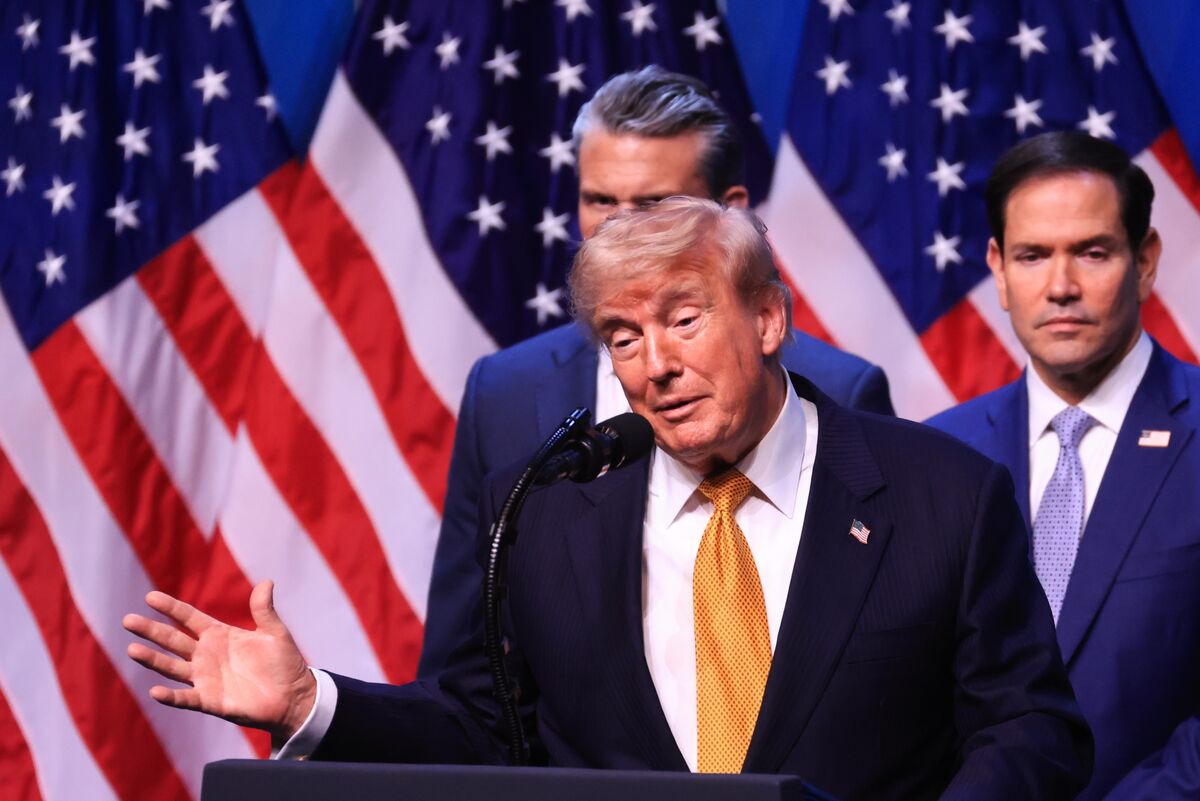
Renewed geopolitical tensions in Iran have significantly disrupted financial markets, forcing traders to abandon strategies that had anticipated a de-escalation of Middle East conflict. Marko Papic, a strategist at BCA Research, had to retract an investment recommendation made just one day prior, which was based on the assumption of subsiding regional tensions. This reversal occurred after former U.S. President Donald Trump indicated that the conflict in Iran was escalating.
The sudden shift in market sentiment underscores the volatility associated with the ongoing situation in the Middle East. Traders who had positioned themselves for a period of reduced risk, potentially leading to lower oil prices or increased investment in riskier assets, are now reassessing their portfolios. The market's sensitivity to statements from key political figures, particularly concerning international relations and potential military actions, has been highlighted by this event.
This development signals a broader challenge for investors attempting to navigate the complexities of geopolitical risk. The rapid reassessment required by such events demonstrates how quickly the perceived risk landscape can change, impacting asset valuations and trading strategies. The market's reaction illustrates the interconnectedness of political pronouncements and financial market stability, particularly in regions prone to conflict. The implications extend to various sectors, including energy, defense, and global trade, as uncertainty returns to the forefront of investor concerns.
Original source — read the full reporting at the publisher:
Read on Bloomberg MarketsGet the weekly AI digest
AI news + new model releases, weekly. Drafted by our agents, reviewed by humans.