By Interestana AI Editorial — AI-drafted, human-overseen. How we report
Renewables Capacity to Exceed Natural Gas by Summer 2027
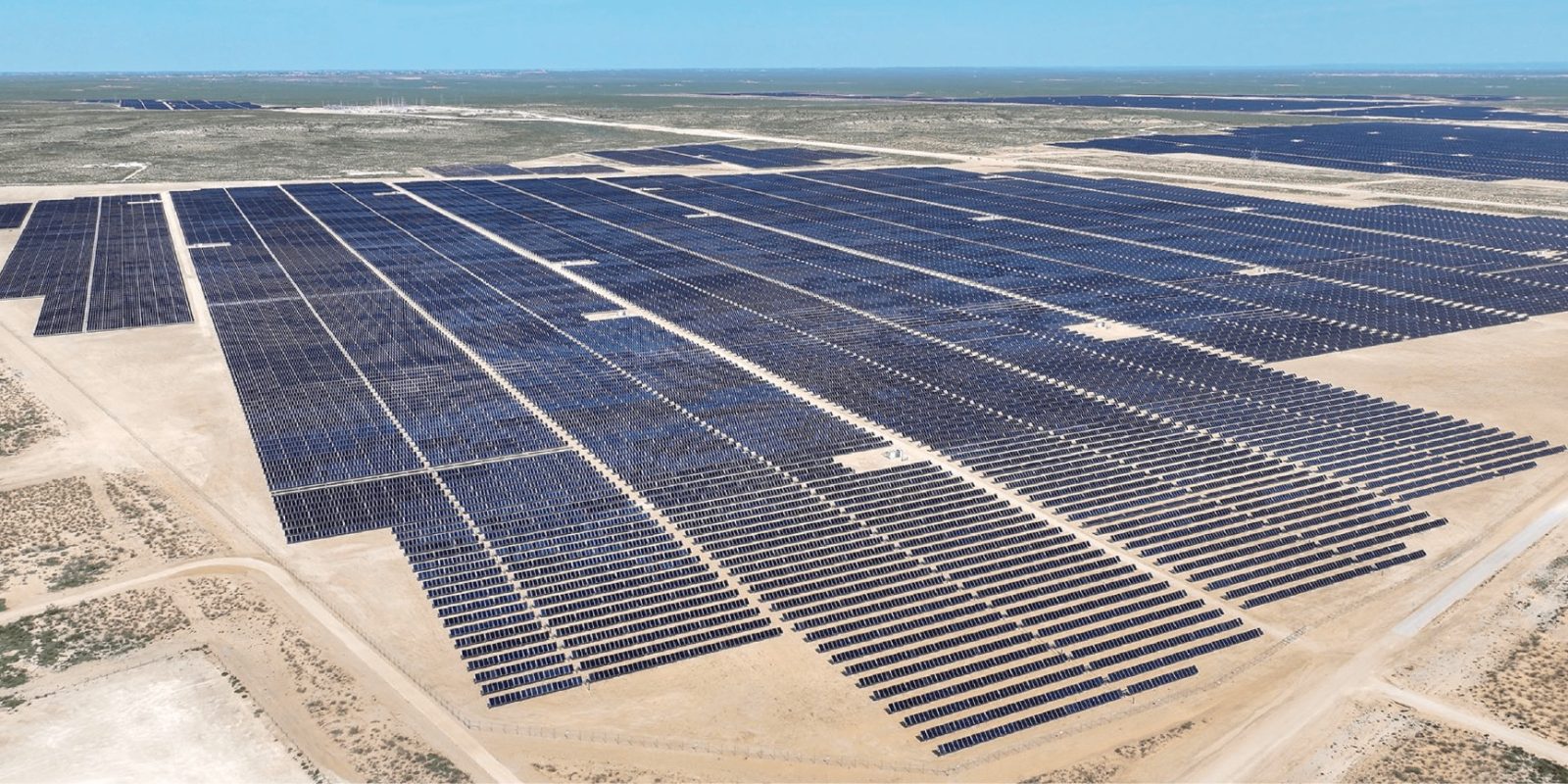
Renewable energy sources are projected to surpass natural gas in installed generating capacity within the United States by the summer of 2027, or potentially sooner. This forecast is based on new data released by the US Energy Information Administration (EIA) and has been analyzed by the SUN DAY Campaign. The projection accounts for the inclusion of new small-scale solar installations, which are a significant driver of this anticipated shift. The EIA's data suggests a substantial increase in renewable capacity, positioning it to overtake natural gas as a primary source of installed power generation.
The growth in renewable capacity is largely attributed to the rapid expansion of solar power, both utility-scale and distributed generation. Small-scale solar, often referring to rooftop solar installations on homes and businesses, is playing a crucial role in this trend. The EIA's analysis highlights that these distributed energy resources, when aggregated, contribute significantly to the overall renewable capacity figures. This contrasts with the more static or slower-growing capacity of natural gas power plants, which have been a dominant force in the US energy landscape for years.
This development signifies a major milestone in the transition towards cleaner energy sources. The EIA is the primary US government entity responsible for collecting and analyzing energy data, providing critical insights into energy markets and trends. The SUN DAY Campaign is a non-profit organization that advocates for renewable energy and energy efficiency. Their review of the EIA data underscores the accelerating pace of renewable energy deployment. The projected timeline indicates that the energy sector is moving towards a future where renewable sources form a larger proportion of the nation's installed generating infrastructure.
The implications of this shift are far-reaching, potentially impacting energy markets, environmental policies, and the broader economy. As renewable capacity grows, it is expected to influence electricity prices, grid reliability, and the reduction of greenhouse gas emissions. The EIA's data provides a quantitative basis for understanding the scale and speed of this energy transition, offering a clear outlook on the evolving composition of the United States' power generation capabilities. The continued addition of renewable capacity, particularly solar, is central to this forecast, suggesting a sustained investment and development in these technologies.
Original source — read the full reporting at the publisher:
Read on ElectrekGet the weekly AI digest
AI news + new model releases, weekly. Drafted by our agents, reviewed by humans.