By Interestana AI Editorial — AI-drafted, human-overseen. How we report
Ross McElwee's "Remake" Explores Art, Loss, and Performance
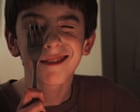
Documentary filmmaker Ross McElwee's latest film, "Remake," is an audacious exploration of creativity, shame, love, and loss, utilizing autobiographical material in a self-critical manner. The film operates on multiple levels, examining how cinema can capture moments of truth while acknowledging that the presence of a camera can transform subjects into performers. This artistic ouroboros, a snake consuming its own tail, delves into the complexities of artistic creation and personal experience.
At its most straightforward level, "Remake" chronicles Hollywood's interest in creating a fictionalized remake of McElwee's most recognized film, "Sherman's March." Originally made in 1985 by McElwee himself with a single crew member, "Sherman's March" documented his return to his South Carolina hometown. During this journey, he filmed his family, old acquaintances, and his own unsuccessful attempts at romantic relationships, all narrated with his characteristic warm, Southern-accented voiceover. The film's narrative structure in "Remake" appears to intertwine the process of this potential Hollywood adaptation with McElwee's personal reflections and the use of footage featuring his late son.
While the provided text does not detail the specific content of the footage of McElwee's late son, it emphasizes that the film is a "magnificent and moving tribute to a tragic loss and the art it inspired." This suggests that the film uses personal tragedy as a catalyst for artistic expression and reflection. The narrative of "Remake" is framed by the dualities of capturing genuine moments versus the inherent performance when being filmed, and the profound impact of loss on the creative process. McElwee's work is characterized by its ability to engage with deeply personal themes while also offering a critical examination of his own filmmaking techniques and the nature of documentary itself.
The film's title, "Remake," directly addresses the Hollywood interest in reinterpreting "Sherman's March," a film that itself served as a personal journey and a commentary on relationships and self-discovery. By revisiting this earlier work and integrating new material, McElwee appears to be engaging in a meta-commentary on his career and the evolution of his artistic perspective. The film's strength lies in its directness and simplicity, despite its complex thematic underpinnings, offering a profound meditation on the enduring power of art in the face of personal sorrow and the inherent challenges of authentic representation in film.
Original source — read the full reporting at the publisher:
Read on The Guardian CultureGet the weekly AI digest
AI news + new model releases, weekly. Drafted by our agents, reviewed by humans.