By Interestana AI Editorial — AI-drafted, human-overseen. How we report
Pete Hegseth's Commentary Undermines Military Trust, Analysis Argues
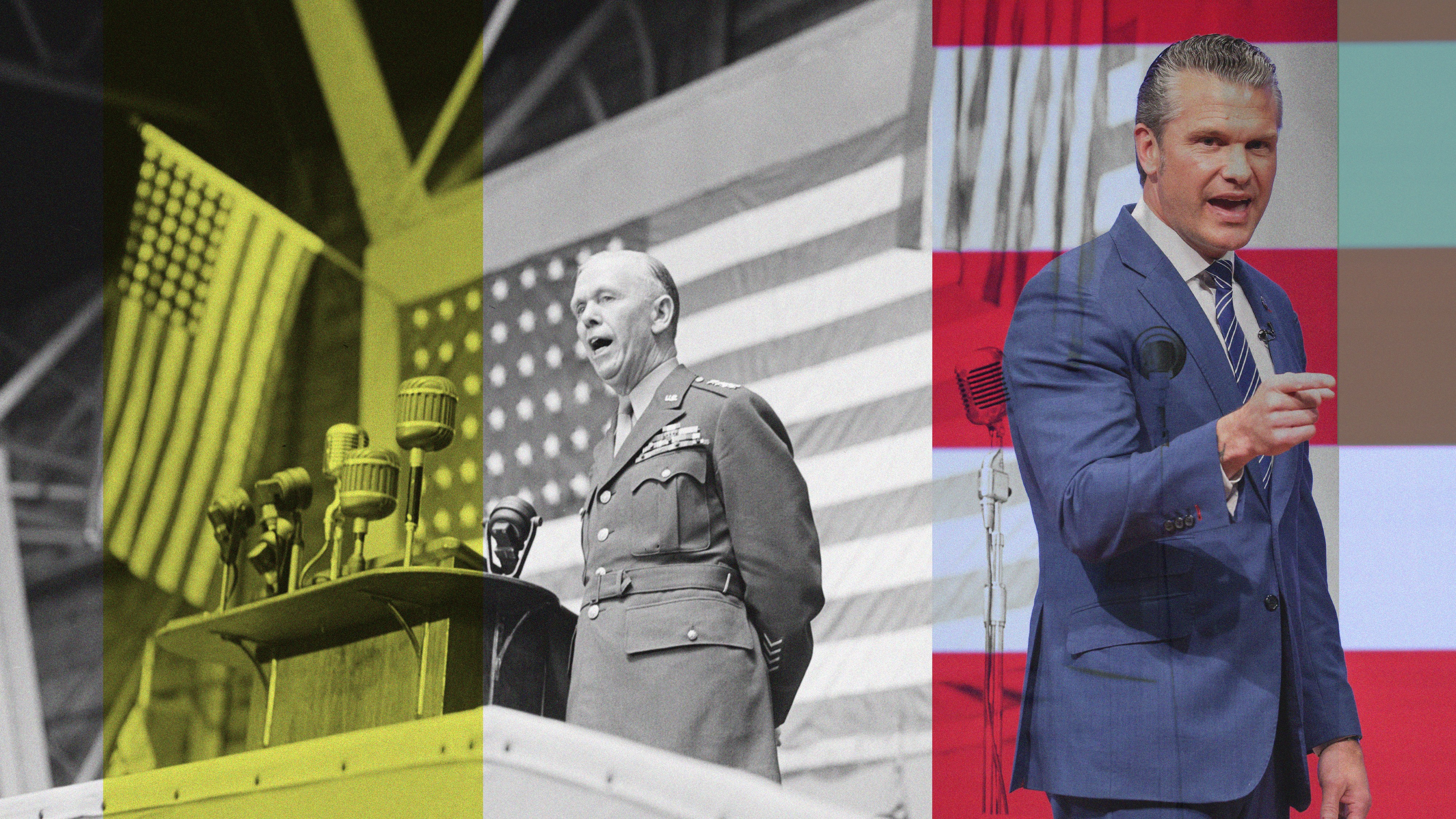
Pete Hegseth's public commentary is actively undermining the United States military and eroding public trust in the institution, according to an analysis. The core argument posits that Hegseth's criticisms, particularly those focusing on perceived ideological shifts and leadership issues within the armed forces, are not constructive but rather damaging. This perspective suggests that his rhetoric contributes to a broader narrative of decline and ineffectiveness, which can have tangible consequences for military recruitment, retention, and overall societal support. Hegseth, a former Army officer and a prominent figure on Fox News, has frequently voiced concerns about what he describes as the "woke" ideology infiltrating the military. His commentary often targets specific policies or perceived cultural changes, framing them as detrimental to military readiness and traditional values.
The analysis contends that Hegseth's approach often oversimplifies complex military challenges, framing them as the result of specific ideological agendas rather than multifaceted strategic, operational, or budgetary considerations. For instance, discussions around diversity and inclusion initiatives, or the military's response to social issues, are often presented by Hegseth as evidence of a politicized and weakened force. This reductionist framing, the argument goes, fails to acknowledge the dedication and professionalism of the vast majority of service members and leaders who are focused on executing their missions effectively. By focusing on perceived failures and attributing them to specific groups or ideologies, Hegseth's commentary can foster division and distrust among the public, potentially impacting the military's ability to function effectively in a democratic society. This is particularly concerning given the military's reliance on public confidence for its legitimacy and operational success.
Furthermore, the commentary highlights the potential for Hegseth's statements to influence public perception and policy debates. As a well-known media personality, his views carry significant weight with a segment of the public. When a prominent public figure repeatedly questions the integrity or competence of the military, it can create a climate of skepticism that makes it harder for the armed forces to secure necessary resources, attract qualified personnel, and maintain public backing for its missions. The piece suggests that this erosion of trust is a significant concern, as a strong, respected military is vital for national security and international stability. The military, a complex organization with a long history, requires consistent and informed public support to fulfill its constitutional role. Hegseth's critiques, by contrast, are seen as contributing to a narrative that could weaken this essential relationship.
In essence, the critique of Hegseth's commentary centers on its perceived negative impact on the military's reputation and the public's faith in its institutions. The argument is that while open discourse and scrutiny of military matters are important, the manner and substance of Hegseth's critiques are counterproductive, leading to a weakening of both the military itself and the public's confidence in its essential role. This is not about stifling debate, but about the nature and effect of the discourse. The analysis implies that constructive criticism should aim to strengthen the institution, not to sow doubt and division.
Original source — read the full reporting at the publisher:
Read on The AtlanticGet the weekly AI digest
AI news + new model releases, weekly. Drafted by our agents, reviewed by humans.