By Interestana AI Editorial — AI-drafted, human-overseen. How we report
EU Considers Windfall Tax Amid Record Energy Prices
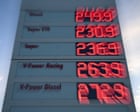
European Union governments are actively discussing the implementation of a bloc-wide windfall tax on energy companies, driven by persistently high fuel and gas prices. This measure is being considered as a response to mounting public discontent and the growing challenge posed by the far-right political movement. The urgency for such action is amplified by the proximity of elections in eight EU member states within the next year, including significant nations like France, Italy, Spain, and Poland. Leaders are reportedly scrambling to mitigate the potential political fallout from what analysts are describing as one of the most significant energy shocks the continent has experienced in decades.
The current energy price surge is creating a substantial domestic issue for political leaders across the European Union. German minister Robert Habeck has publicly stated that certain companies are "exploiting the situation" in the Middle East, a region experiencing heightened geopolitical tensions that have contributed to the global energy market instability. These elevated prices are not only straining household budgets but also fueling public anger, which could translate into significant electoral shifts. The potential for widespread public unrest and a surge in support for populist and far-right parties is a primary concern for incumbent governments.
Analysts have warned that the current energy crisis could have far-reaching economic and social consequences. The interconnectedness of the European energy market means that price fluctuations in one region can quickly impact others, creating a domino effect. The reliance on imported energy sources makes the EU particularly vulnerable to supply disruptions and price volatility. The proposed windfall tax aims to capture what is perceived as excessive profits by energy firms during this period of crisis, with the intention of using these funds to provide relief to consumers and businesses struggling with the high costs. However, the specifics of such a tax, including its scope, duration, and distribution of revenue, are still under intense debate among member states.
The political landscape in Europe is already tense, with several governments facing declining approval ratings. The energy crisis, coupled with inflation and other economic pressures, provides fertile ground for opposition parties, particularly those on the far-right, to gain traction. The upcoming elections in France, Italy, Spain, and Poland, among others, will serve as crucial indicators of the public's response to current government policies and the handling of the energy crisis. The outcome of these elections could significantly reshape the political dynamics within the EU and influence future policy decisions, including the approach to energy security and market regulation. The debate over a windfall tax highlights the complex interplay between economic pressures, public sentiment, and political strategy within the European Union.
Original source — read the full reporting at the publisher:
Read on The Guardian WorldGet the weekly AI digest
AI news + new model releases, weekly. Drafted by our agents, reviewed by humans.