By Interestana AI Editorial — AI-drafted, human-overseen. How we report
Diesel Prices Surge, Exposing Economic and Market Vulnerabilities
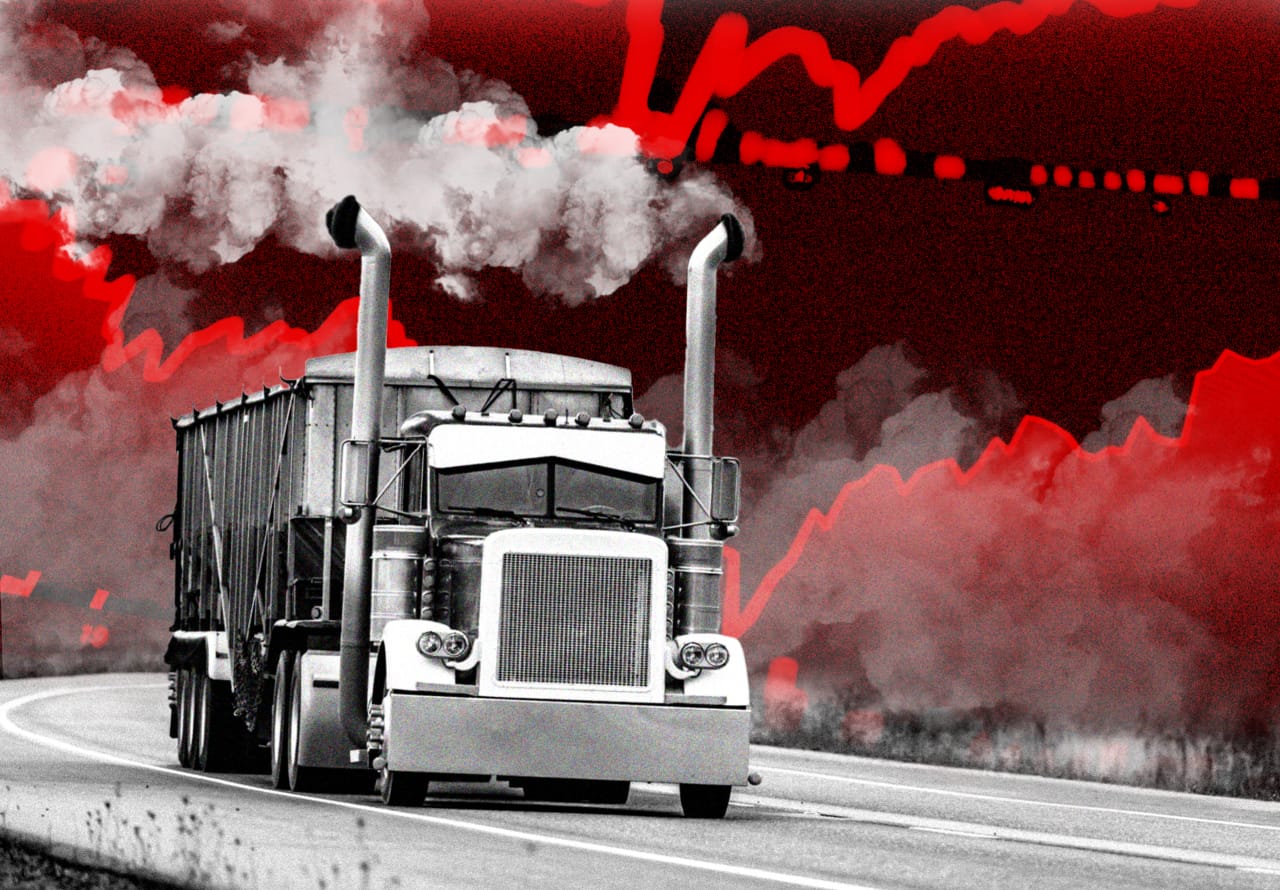
Global diesel prices have reached record highs, creating significant upward pressure on inflation and exposing vulnerabilities within the stock market and the broader economy. This surge is not merely an isolated commodity price increase but a systemic risk that could impact various sectors reliant on diesel fuel for transportation and industrial operations. The sustained high cost of diesel directly affects logistics and supply chains, as trucking companies and shipping services face increased operational expenses. These costs are often passed on to consumers in the form of higher prices for goods, contributing to broader inflationary pressures. The economic impact is multifaceted, potentially slowing consumer spending due to reduced purchasing power and increasing the cost of doing business for companies across diverse industries.
Analysts are closely monitoring the situation, with a major concern being the persistence of these elevated diesel prices. If prices remain at these record levels, the upward pressure on inflation will continue, complicating efforts by central banks to manage price stability. This scenario could lead to a more challenging economic environment, where the risk of stagflation – a combination of high inflation and stagnant economic growth – becomes more pronounced. The stock market, in turn, is sensitive to these economic headwinds. Sectors that are heavily reliant on transportation, such as retail and manufacturing, may experience reduced profit margins. Furthermore, increased operational costs for businesses can lead to lower earnings, potentially impacting stock valuations and investor confidence. The energy sector itself, while benefiting from higher prices, faces scrutiny regarding supply and demand dynamics that have led to this situation.
The current price trajectory for diesel is influenced by a complex interplay of factors, including geopolitical events, supply chain disruptions, and a rebound in global demand following pandemic-related slowdowns. The war in Ukraine, for instance, has had a significant impact on global energy markets, affecting the availability and price of crude oil, the primary feedstock for diesel. Additionally, underinvestment in refining capacity over recent years has limited the global ability to produce sufficient diesel to meet demand. This constrained supply, coupled with robust demand from economies reopening and resuming industrial activity, has created a perfect storm for record-high prices. The situation is particularly acute in regions heavily dependent on diesel for their energy needs and transportation infrastructure, such as parts of Europe and Asia.
The implications extend beyond immediate economic indicators. Prolonged high diesel prices could necessitate strategic adjustments from businesses and governments. Companies may explore greater efficiencies in their logistics, invest in alternative fuel sources, or re-evaluate their supply chain strategies to mitigate risks. Governments, on the other hand, might consider measures to alleviate the burden on consumers and businesses, such as temporary tax reductions on fuel or incentives for adopting more fuel-efficient technologies. However, such interventions must be carefully calibrated to avoid exacerbating inflationary pressures or distorting market signals. The ongoing volatility in diesel prices underscores the interconnectedness of global energy markets and their profound influence on economic stability and financial markets.
Original source — read the full reporting at the publisher:
Read on MarketWatchGet the weekly AI digest
AI news + new model releases, weekly. Drafted by our agents, reviewed by humans.