By Interestana AI Editorial — AI-drafted, human-overseen. How we report
Beef Prices Soar, Benefiting Ranchers Amidst Farmer Strain
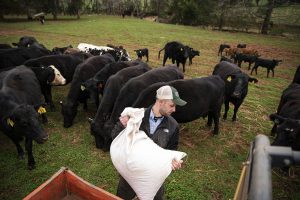
Record high beef prices are generating substantial profits for cow-calf ranchers, who raise herds of mother calves, while simultaneously straining American farmers who fatten cattle for market. The Bureau of Labor Statistics reported that beef prices have surged by 11.8% over the past year, with a 1.2% increase in June alone. Specifically, ground beef prices have risen 12.4% year-over-year, and beef roast prices have seen an even steeper increase of 13.8% compared to the previous year. This price escalation is occurring against a backdrop of historically low cattle herd sizes, the smallest recorded since 1951. Several factors contribute to this tight supply, including severe droughts that have depleted pastures and the spread of flesh-eating screwworms, which has restricted cattle imports from Mexico. These conditions create a challenging environment for various segments of the cattle industry, with the exception of ranchers at the foundational level.
Cow-calf ranchers, responsible for producing the initial supply of calves for the entire industry, are capitalizing on the reduced inventories by increasing their prices. David Anderson, a professor of agricultural economics at Texas A&M, projects that prices for feeder calves will climb from the current $437.44 per hundredweight to as high as $467 per hundredweight by the second quarter of 2027. Derrell Peel, a professor of agribusiness at Oklahoma State University specializing in livestock, confirmed that "At that primary level, cow-calf production, they are making more money." He further stated that these producers are "making record returns, by and large." This indicates a significant financial windfall for those at the beginning of the cattle supply chain.
In contrast, most other participants in the cattle industry are facing considerable pressure. Feedlot farmers, who purchase calves to raise them to market weight, are experiencing diminishing profit margins. They are compelled to buy more expensive cattle due to the tight supply and are simultaneously contending with increased operational costs. Tyson Foods CEO Donnie King acknowledged these market challenges during a recent investor presentation, stating, "Beef hasn’t performed the way we expected, and we’re not pretending otherwise." This sentiment highlights the broader industry-wide impact of the current supply-demand imbalance, where upstream producers benefit while downstream processors and feeders struggle with profitability. The situation underscores a complex economic dynamic within the American beef sector, driven by environmental factors and disease, leading to divergent financial outcomes for different stakeholders.
Original source — read the full reporting at the publisher:
Read on FortuneGet the weekly AI digest
AI news + new model releases, weekly. Drafted by our agents, reviewed by humans.