By Interestana AI Editorial — AI-drafted, human-overseen. How we report
European Prize Shortlists Projects Reclaiming Urban Space
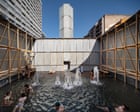
The European Prize for Urban Public Space has announced its latest shortlist, highlighting architectural projects that are actively reclaiming urban areas previously dominated by cars and re-purposing them into public spaces designed to help residents adapt to the escalating climate crisis. These initiatives aim to counteract the pervasive influence of automotive infrastructure, which has historically prioritized vehicles over human needs and environmental well-being.
The shortlisted projects demonstrate innovative approaches to transforming car-centric environments into functional and aesthetically pleasing public areas. Examples include the conversion of traffic roundabouts into community splash pools, providing much-needed relief from rising urban temperatures. Major thoroughfares are being reimagined as verdant green havens, incorporating extensive planting and pedestrian-friendly designs. Furthermore, former car parks are being redeveloped into vibrant gardens and community gathering spaces. These transformations are crucial in cities grappling with the tangible effects of climate change, such as extreme heat events.
The European Prize for Urban Public Space, established to recognize and promote exemplary public spaces across Europe, seeks to challenge the prevailing car-centric planning paradigms that have shaped many urban landscapes. The prize jury evaluates projects based on their contribution to social cohesion, environmental sustainability, and the enhancement of urban quality of life. By focusing on the conversion of existing infrastructure, these projects offer scalable and replicable models for other cities facing similar challenges.
This year's shortlist, announced on Wednesday, underscores a growing movement among architects and urban planners to prioritize human experience and ecological resilience in city design. The projects selected not only address the immediate need for climate adaptation but also foster a sense of community and improve the overall livability of urban environments. The initiative implicitly critiques the legacy of urban planning that often paved over natural spaces for the convenience of automobiles, echoing sentiments about the loss of natural beauty in favor of concrete infrastructure.
The prize aims to inspire a broader shift in urban development, encouraging a future where public spaces are designed for people and the environment, rather than solely for vehicular traffic. The successful implementation of these projects suggests a growing recognition of the importance of accessible, green, and climate-resilient public spaces in creating healthier and more equitable cities for the future.
Original source — read the full reporting at the publisher:
Read on The Guardian EnvironmentGet the weekly AI digest
AI news + new model releases, weekly. Drafted by our agents, reviewed by humans.