By Interestana AI Editorial — AI-drafted, human-overseen. How we report
Rayo Vallecano Barred From Home Stadium Due to Legionnaires' Disease Risk
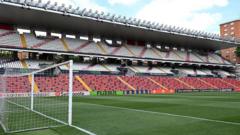
La Liga football club Rayo Vallecano has been prohibited from using their home stadium, the Estadio de Vallecas, due to concerns over the potential risk of Legionnaires' disease among supporters. This unexpected ban comes just weeks before the commencement of the new football season, forcing the club to seek alternative arrangements for their home matches. The decision was made by the relevant authorities after an assessment identified a risk associated with the stadium's facilities, specifically concerning the presence of Legionella bacteria, which causes Legionnaires' disease, a severe form of pneumonia.
The implications of this stadium ban are significant for Rayo Vallecano, affecting not only matchday operations but also potentially impacting revenue streams and fan engagement. The club is now in a race against time to secure a temporary home ground that meets regulatory standards and can accommodate their league fixtures. This situation highlights the critical importance of maintaining stringent health and safety protocols within large public venues, particularly those that host regular sporting events with substantial spectator attendance. The specific details regarding the identified risk factors within the Estadio de Vallecas have not been fully disclosed, but the directive to vacate the premises underscores the seriousness of the health concerns raised.
Legionnaires' disease is contracted by inhaling airborne water droplets containing the Legionella bacteria. These bacteria can proliferate in water systems, such as cooling towers, hot and cold water systems, and decorative fountains, especially when temperatures are favorable and water is not adequately treated or circulated. While the exact source within the stadium has not been pinpointed in public statements, the ban suggests a belief that the risk is substantial enough to warrant immediate preventative action. The club's management is reportedly working closely with local authorities and health experts to understand the full scope of the problem and to implement necessary remediation measures. The goal is to ensure the stadium can be safely reopened as soon as possible, though a definitive timeline for resolution remains unclear. The club's commitment to player and fan safety is paramount as they navigate this unforeseen challenge.
Original source — read the full reporting at the publisher:
Read on BBC SportGet the weekly AI digest
AI news + new model releases, weekly. Drafted by our agents, reviewed by humans.