By Interestana AI Editorial — AI-drafted, human-overseen. How we report
Bitcoin Faces Volatility Amid Inflation Data and Geopolitical Tensions
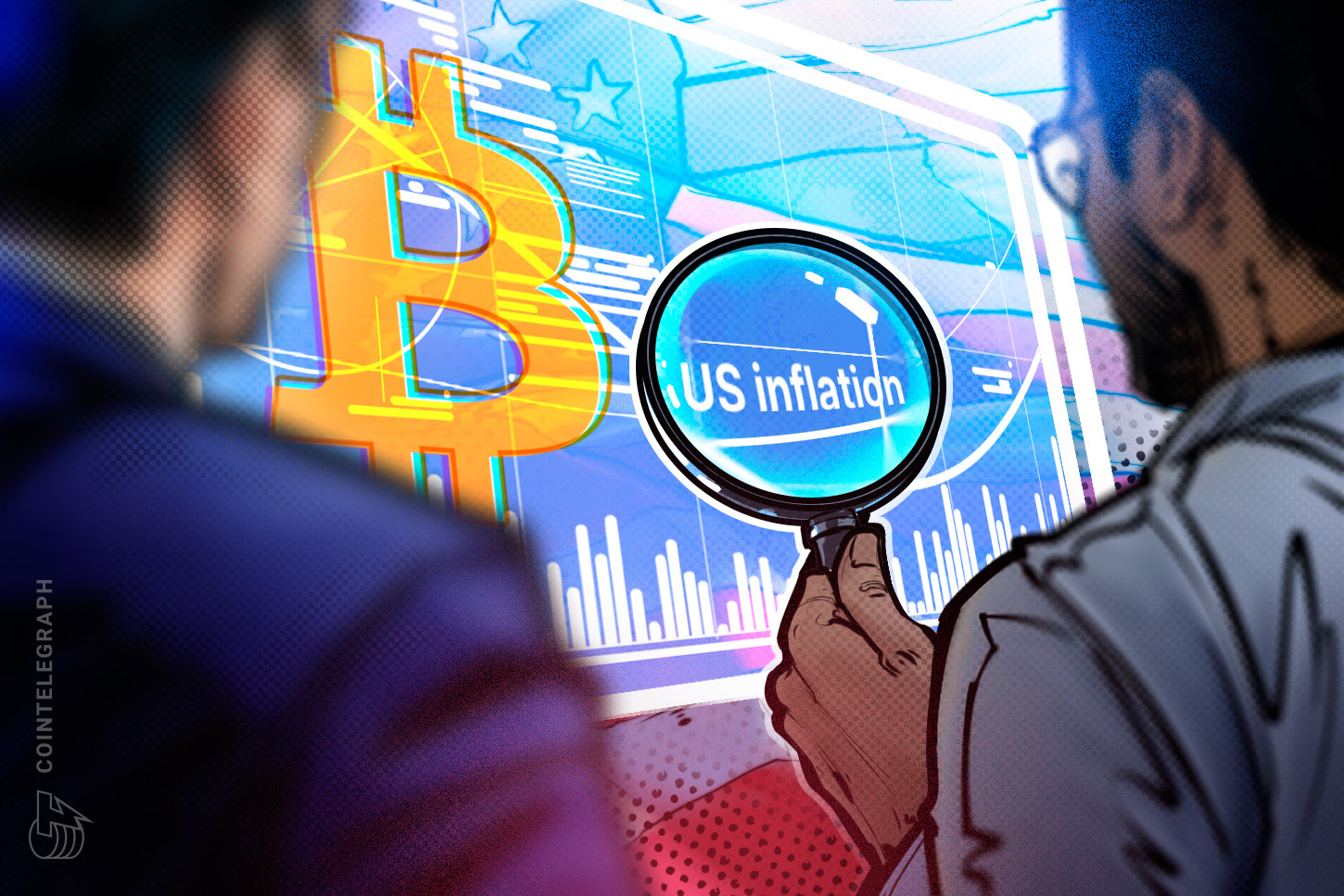
Bitcoin traders are anticipating a period of significant volatility as several key economic and geopolitical factors converge this week. The primary drivers of this expected market turbulence include the release of crucial US inflation data and the ongoing geopolitical tensions involving the United States and Iran. These elements are collectively contributing to an unpredictable state for risk assets, with Bitcoin being particularly susceptible to these broader market sentiments.
The release of US inflation data is a critical event for investors as it directly influences the Federal Reserve's monetary policy decisions. Higher-than-expected inflation figures could signal a more hawkish stance from the central bank, potentially leading to delayed interest rate cuts or even further rate hikes. Such a scenario typically dampens investor appetite for riskier assets like Bitcoin, as higher interest rates make safer investments, such as bonds, more attractive. Conversely, inflation data that comes in below expectations might encourage the Federal Reserve to consider easing monetary policy sooner, which could provide a tailwind for Bitcoin.
In parallel, the escalating tensions between the United States and Iran are adding another layer of uncertainty to the global financial markets. Geopolitical instability often leads to increased demand for safe-haven assets, but it can also trigger broader market sell-offs as investors become risk-averse. The interconnectedness of global financial systems means that conflicts or significant diplomatic crises in one region can have ripple effects across various asset classes, including cryptocurrencies. Traders will be closely monitoring news headlines and official statements for any developments that could signal a de-escalation or further escalation of the conflict.
Beyond these immediate catalysts, the broader macroeconomic environment continues to play a significant role in shaping Bitcoin's price action. Factors such as global economic growth, the performance of traditional financial markets, and regulatory developments concerning cryptocurrencies all contribute to the overall risk sentiment. Investors are also keeping an eye on the ongoing adoption of Bitcoin and other digital assets by institutional players, which can provide support and legitimacy to the market. The interplay of these economic indicators, geopolitical events, and market-specific developments creates a complex landscape for Bitcoin traders as they navigate the week ahead, seeking to capitalize on potential price movements while managing the inherent risks.
Original source — read the full reporting at the publisher:
Read on CoinTelegraphGet the weekly AI digest
AI news + new model releases, weekly. Drafted by our agents, reviewed by humans.