By Interestana AI Editorial — AI-drafted, human-overseen. How we report
Rare Heron Sighted at Somerset Estate Following River Restoration
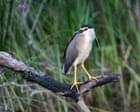
A black-crowned night heron, a species rarely seen in the UK, has been sighted at the Holnicote Estate in Somerset, England. This sighting comes after conservation efforts focused on allowing the River Holnicote to return to its natural course, a process described as a "river reset." This initiative has transformed the estate into a thriving habitat, attracting a diverse range of birdlife.
The Holnicote Estate, managed by the National Trust, has undergone significant landscape restoration. By removing man-made structures and enabling the river to meander freely, the area has developed into a lush and biodiverse oasis. This approach contrasts with traditional river management techniques that often involve straightening and channelizing waterways. The "river reset" aims to recreate natural floodplains and riparian habitats, which are crucial for supporting various species, including wading birds and insects.
Conservation experts have noted a marked increase in wildlife activity and species diversity since the river restoration began. The black-crowned night heron, native to parts of Europe, Africa, and Asia, is an uncommon visitor to British shores, making its appearance at Holnicote a notable event. The estate's transformation into a more naturalistic landscape is proving beneficial for a wide array of avian species, contributing to the overall ecological health of the region. The success at Holnicote highlights the positive impact of allowing natural processes to shape river systems and their surrounding environments.
Original source — read the full reporting at the publisher:
Read on The Guardian WorldGet the weekly AI digest
AI news + new model releases, weekly. Drafted by our agents, reviewed by humans.