By Interestana AI Editorial — AI-drafted, human-overseen. How we report
Rapture review – cult Spanish horror is a deeply strange cheese dream of cinemania
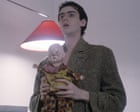
Iván Zulueta's 1979 Spanish supernatural mystery, "Rapture," is a profoundly peculiar and captivating film, often described as a "deeply strange cheese dream." Its initial ten minutes are notably characterized by a jittery quiet, establishing an unnerving and enveloping atmosphere of dread that permeates the entire viewing experience. While the film may contain moments of narrative longueurs and feature one of its lead actors employing a style reminiscent of silent film acting, these elements contribute to its unique and unsettling charm rather than detracting from its overall impact.
A significant aspect contributing to "Rapture's" enduring fascination is the marginal yet crucial involvement of a young Pedro Almodóvar. At this early stage in his career, Almodóvar, who would go on to become one of Spain's most internationally acclaimed directors, provided voice-dubbing for a female character. This collaboration marked the genesis of a lasting connection between Zulueta and Almodóvar, a relationship that proved foundational for Almodóvar's burgeoning directorial sensibilities. Many of the stylistic hallmarks that would define Almodóvar's prolific career can be traced back to this influential film.
Chief among these is the concept of "cinemania," a term used within "Rapture" to describe an almost obsessive rapture for movies and the act of filmmaking itself. This intense passion for cinema is a theme that Almodóvar would frequently explore and celebrate in his subsequent works. Furthermore, "Rapture" exhibits a double-stranded narrative structure, weaving together multiple plotlines that contribute to its enigmatic and complex nature. The film also embraces queer euphoria, hinting at an early exploration of themes and representation that Almodóvar would later champion with considerable impact. The strategic and extended use of flashbacks is another key element, serving not only to deepen the film's central mystery but also to provide crucial insights into character motivations and the underlying thematic concerns.
"Rapture's" cult status is a testament to its distinctive blend of supernatural mystery, psychological tension, and its foundational influence on Spanish cinema. It stands as a significant work by Iván Zulueta, showcasing his unique directorial vision, and its lasting impact is undeniable, particularly in its role in shaping the iconic style of Pedro Almodóvar. The film's ability to generate a palpable sense of dread through its unconventional pacing and evocative visual storytelling continues to resonate with audiences and critics, solidifying its place as a vital piece of cult cinema.
Original source — read the full reporting at the publisher:
Read on The Guardian CultureGet the weekly AI digest
AI news + new model releases, weekly. Drafted by our agents, reviewed by humans.