By Interestana AI Editorial — AI-drafted, human-overseen. How we report
Experts Urge AI-Age Parents to Prioritize Human Connection
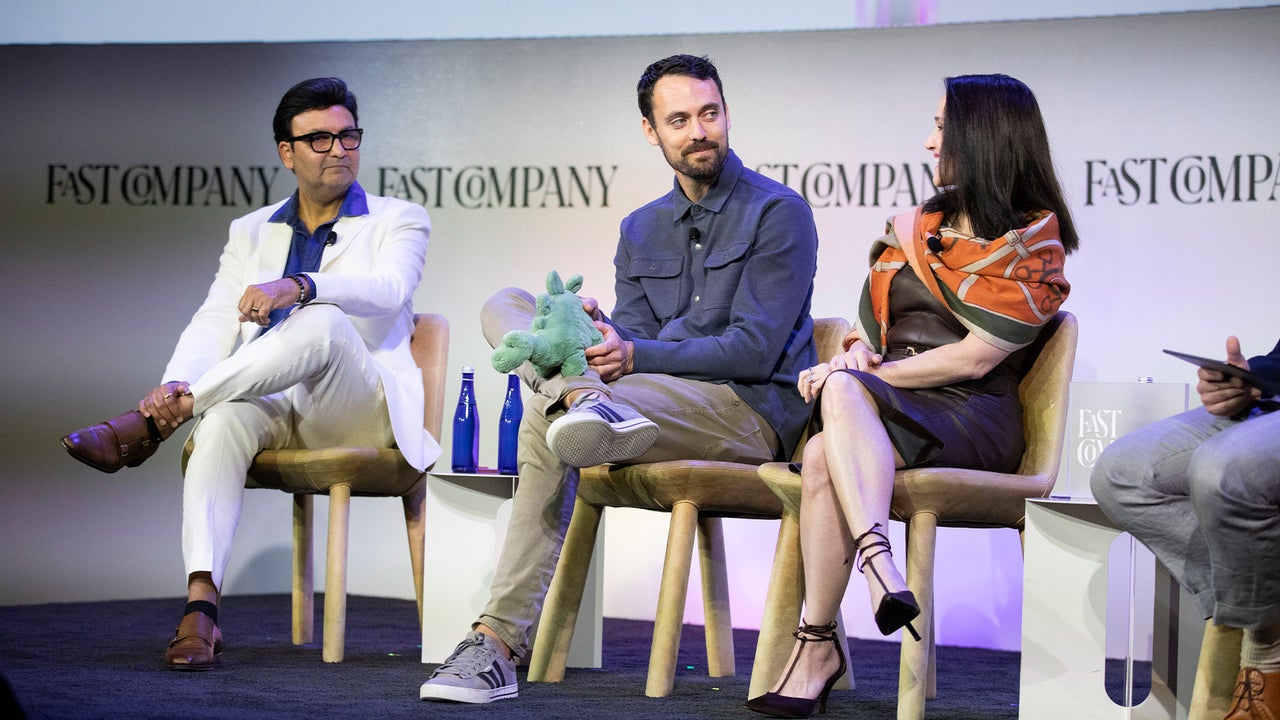
Navigating the introduction of artificial intelligence and other advanced technologies to children presents a complex challenge for parents, moving beyond earlier debates about screen time. The core concern is not to shun technology but to guide its use in ways that enhance, rather than diminish, human connection. This perspective was highlighted by experts during a panel discussion at the Fast Company Innovation Festival in New York. Dana Suskind, author of "Human Raised" and founder/codirector of the TMW Center for Early Learning + Public Health at the University of Chicago, stated that the most effective preparation for a high-tech future involves a "low-tech childhood." She clarified that technology has a role, but the "messy human relationship" should remain paramount and irreplaceable.
Understanding the underlying needs and desires of children is key to selecting appropriate technology. Chet Kittleson, cofounder of Tin Can, shared an anecdote where his daughter's request for a phone or smartwatch was driven by a desire to connect with her best friend, not necessarily by a need for advanced features. This insight led Kittleson to cofound Tin Can, a company that developed an analogue-style landline. The company deliberately avoided incorporating smart features that could foster addictive behaviors, focusing instead on the simple act of communication. The $100 Tin Can device aims to reimagine the landline for Generation Alpha, catering to the desire for straightforward conversations with friends. Kittleson described the product's simplicity as a direct response to observed needs, stating, "They just want to be able to talk to their friends and that’s it—it’s so simple." He added that the product's straightforward nature made their development process easier, characterizing it as bringing back a long-standing communication method rather than a groundbreaking innovation.
The emphasis on intentional technology choices underscores the importance of the "why" behind technological adoption for young people. The panel discussion, which included insights from Suskind and Kittleson, aimed to equip parents with strategies for fostering genuine relationships in an increasingly digital world. The underlying principle is that technology should serve as a tool to facilitate human interaction, not as a substitute for it. This requires parents to be discerning about the applications and devices their children engage with, prioritizing those that encourage empathy, communication, and shared experiences. The conversation at the Innovation Festival pointed towards a future where thoughtful integration of technology, balanced with a strong foundation of human connection, is essential for healthy child development. The experts suggested that by focusing on the quality of interaction, parents can help children thrive amidst rapid technological advancements, ensuring that digital tools support, rather than detract from, meaningful relationships. The discussion also touched upon the evolving landscape of parental guidance as AI capabilities expand, necessitating a proactive approach to digital literacy and ethical technology use from an early age. The overarching message conveyed was that while technology is an inevitable part of modern childhood, its impact is largely determined by the intent and care with which it is integrated into family life.
Original source — read the full reporting at the publisher:
Read on Fast CompanyGet the weekly AI digest
AI news + new model releases, weekly. Drafted by our agents, reviewed by humans.