By Interestana AI Editorial — AI-drafted, human-overseen. How we report
Raindrops Electrically Corrode Car Surfaces, Study Reveals
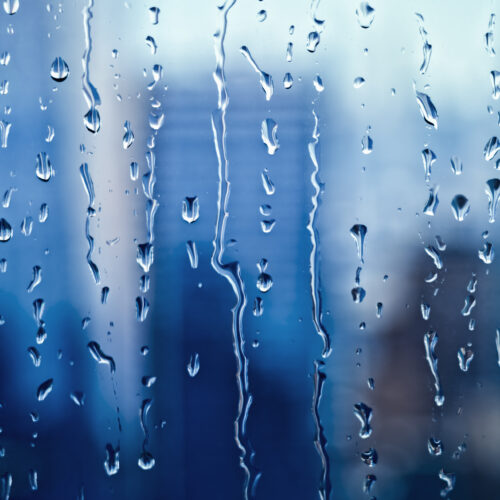
Raindrops can cause significant corrosion on surfaces, including car paint, not just through dissolved salts and acids or physical abrasion, but also by carrying substantial electrical charges. A new study led by Zhongyuan Ni, Rüdiger Berger, and Hans-Jürgen Butt at the Max Planck Institute for Polymer Research in Mainz, Germany, has demonstrated that water drops can routinely arrive at an insulating surface with an electrical charge potent enough to create holes in protective coatings. This phenomenon, termed "slide electrification," occurs when a water drop slides across an insulating material, such as a painted car surface, a leaf, a windowpane, or a plastic panel. During this interaction, the water drop strips electrical charge from the surface it traverses, accumulating an opposing charge. The study quantified that these charged water drops can reach voltages as high as 9,000 volts. Traditional methods for preventing rain-induced corrosion, including the application of paints, polymer films, and oxide layers, are primarily based on the understanding that water's corrosive action stems from its ability to dissolve salts and acids, combined with the physical wear from the impact of raindrops and the presence of oxygen. This new research suggests that these existing protective measures may be insufficient against the electrical impact of charged raindrops. The electrical discharge from these highly charged water drops can effectively create a "hole" in the insulating coating, a mechanism distinct from gradual dissolution or scratching. This electrical damage could potentially compromise the integrity of protective layers more rapidly and severely than previously understood. The implications of this finding extend beyond automotive applications, potentially affecting any surface exposed to rain that relies on an insulating coating for protection, such as buildings, outdoor electronics, and natural surfaces like leaves. Further research may be needed to develop new protective strategies that account for this electrical corrosion mechanism. The Max Planck Institute for Polymer Research is a leading institution in materials science and polymer research, contributing significantly to the understanding of material properties and their interactions with the environment. The work by Ni, Berger, and Butt highlights a previously overlooked aspect of a common environmental factor, rain, and its interaction with engineered and natural surfaces.
Original source — read the full reporting at the publisher:
Read on Ars TechnicaGet the weekly AI digest
AI news + new model releases, weekly. Drafted by our agents, reviewed by humans.