By Interestana AI Editorial — AI-drafted, human-overseen. How we report
Washington State Wildfires Rage, Forcing 60,000 Evacuations Amid Extreme Heat and Drought
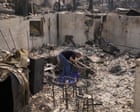
Washington state is currently grappling with an "extraordinary" wildfire season, characterized by 15 major blazes that have compelled approximately 60,000 residents to evacuate their homes. The fires have resulted in the destruction or damage of hundreds of structures, as firefighters face immense challenges in containing the infernos amidst a backdrop of extreme heat and prolonged drought. David Upthegrove, the head of Washington’s Department of Natural Resources, confirmed the gravity of the situation to reporters over the weekend, underscoring the severity of the crisis unfolding in the Pacific Northwest.
The confluence of an intense heatwave and a persistent dry spell has transformed the landscape into a tinderbox, significantly amplifying the risk and accelerating the spread of wildfires. These fires are impacting numerous communities across the state, leading to widespread displacement and substantial property losses. Emergency services are operating under immense pressure, coordinating containment strategies and providing essential support to the affected populations. The sheer scale of these evacuations highlights the immediate and severe threat posed by the uncontrolled fires to public safety, critical infrastructure, and the environment.
This surge in wildfire activity aligns with broader climatic trends observed both regionally and globally, where climate change is increasingly linked to the heightened frequency and intensity of extreme weather events. The combination of elevated temperatures, critically low humidity levels, and pervasive drought conditions creates an ideal environment for rapid fire propagation, making suppression efforts exceptionally difficult and resource-intensive. The long-term ramifications for the affected regions are multifaceted, potentially encompassing significant ecological damage, considerable economic disruption, and the necessity for extensive recovery and rebuilding initiatives.
Officials are issuing urgent appeals to residents in fire-prone areas, urging them to remain vigilant, adhere strictly to evacuation orders, and implement preventative measures to mitigate the risk of further ignitions. The primary focus remains on safeguarding lives and property while dedicating all available resources towards achieving full containment of the active fires. The full extent of the damage and the duration of the ongoing emergency are still under assessment, but the immediate priority is managing the crisis and providing comprehensive support to the tens of thousands of displaced individuals. This situation necessitates a robust and coordinated response involving local, state, and federal agencies to effectively address the immediate emergency and commence the crucial planning for the post-fire recovery phase. The Department of Natural Resources, under Upthegrove's leadership, plays a pivotal role in managing state-owned forest lands and coordinating wildfire response efforts, often in conjunction with federal partners like the U.S. Forest Service, especially during such critical periods.
Original source — read the full reporting at the publisher:
Read on The Guardian WorldGet the weekly AI digest
AI news + new model releases, weekly. Drafted by our agents, reviewed by humans.