By Interestana AI Editorial — AI-drafted, human-overseen. How we report
EU Fire Weather Severity Breaks Records
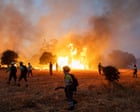
Fire weather conditions across the European Union have reached record levels of severity for this time of year, as firefighters battle numerous blazes throughout the Mediterranean region. Data from the European Forest Fire Information Service (Effis) indicates that the combination of hot, dry, and windy weather experienced in the EU from the beginning of the year through the end of July has been 43% more severe when compared to the average conditions recorded for the same period over the past two decades. This heightened severity is attributed to the intensifying effects of carbon pollution, which exacerbates extreme weather patterns conducive to wildfires.
The Effis data highlights a significant deviation from historical norms, underscoring the escalating impact of climate change on the continent's susceptibility to large-scale fires. The severity metric used by Effis aggregates various meteorological factors, including temperature, humidity, wind speed, and rainfall deficits, to provide a comprehensive assessment of fire risk. A 43% increase signifies a substantial departure from the baseline, suggesting that the conditions are not only hotter and drier but also more prone to rapid fire spread and difficult containment.
This alarming trend has placed immense pressure on firefighting resources across multiple EU member states. Countries such as Greece, Italy, and Spain have been particularly hard-hit, with emergency services working around the clock to protect communities and natural landscapes. The prolonged periods of extreme heat and drought create a tinderbox effect, where vegetation becomes highly flammable, allowing fires to ignite easily and spread with unprecedented speed and intensity. The scale of these events often overwhelms local capabilities, necessitating coordinated responses at national and international levels.
The implications of these record-breaking fire weather conditions extend beyond immediate firefighting efforts. The long-term environmental consequences include significant habitat destruction, loss of biodiversity, and substantial carbon emissions released into the atmosphere, further contributing to the climate crisis. Economically, the fires result in damage to infrastructure, agriculture, and tourism, imposing considerable costs on affected regions. The recurring nature and increasing intensity of these events necessitate a re-evaluation of wildfire management strategies, including enhanced prevention measures, improved early detection systems, and more robust response protocols, all while addressing the root causes of climate change.
Original source — read the full reporting at the publisher:
Read on The Guardian WorldGet the weekly AI digest
AI news + new model releases, weekly. Drafted by our agents, reviewed by humans.