By Interestana AI Editorial — AI-drafted, human-overseen. How we report
Trump Silences Reporters Over Specific Question Types
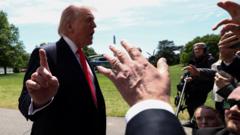
Former US President Donald Trump has a pattern of abruptly ending interviews or shutting down reporters when asked about specific topics, particularly his ongoing legal battles and the integrity of elections. This behavior has been observed across multiple instances, with Trump often responding with phrases like "Quiet, quiet, quiet!" or declaring the line of questioning to be "ridiculous" before disengaging. The questions that appear to trigger this reaction most consistently revolve around the numerous civil and criminal cases he faces, including his impeachments, the January 6th Capitol attack, and allegations of election interference. For example, during a press conference in August 2023, Trump abruptly ended an interview with a reporter from The Associated Press when pressed about the evidence presented in his federal indictment related to the 2020 election. Similarly, in October 2023, he walked away from an interview with Breitbart News when questioned about the financial implications of his legal defense fund. His responses often shift the focus to perceived unfairness in the legal system or to broader political grievances, rather than directly addressing the substance of the questions. This tactic of silencing critical inquiries is not new for Trump, who has a history of clashing with journalists throughout his political career. During his presidency, he frequently labeled critical news organizations as "fake news" and "enemies of the people." The current pattern suggests a continued effort to control the narrative and avoid detailed scrutiny of his legal and political vulnerabilities. Reporters have noted that questions about the specific charges in cases like the New York hush-money trial, the Georgia election interference case, or the federal charges related to classified documents are particularly likely to elicit a defensive or dismissive response. The underlying theme is a strong aversion to being held accountable for his actions or statements, especially when they pertain to the legal and electoral processes. This strategy of deflection and disengagement aims to prevent detailed examination of potentially damaging information and to maintain a public image unburdened by the complexities of his legal entanglements. The consistent nature of these reactions indicates a deliberate approach to media interaction, prioritizing the avoidance of unfavorable topics over transparent engagement with the press.
Original source — read the full reporting at the publisher:
Read on BBC World NewsGet the weekly AI digest
AI news + new model releases, weekly. Drafted by our agents, reviewed by humans.