By Interestana AI Editorial — AI-drafted, human-overseen. How we report
Quentin Bell and Olivia Sterling Art Exhibition Reviewed
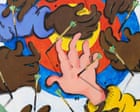
An art exhibition at Charleston in Lewes features the works of two distinct artists: Quentin Bell, a ceramicist whose creations celebrate a life dedicated to creativity and a sense of magic, and Olivia Sterling, whose paintings offer a critique of race and power.
Quentin Bell, the son of Vanessa Bell and a biographer of his aunt Virginia Woolf, is described as an artist who did not achieve greatness but was undeterred in his creative pursuits. He perceived the world as a magical realm, and his ceramic works, created over decades until his death in 1996, are filled with wonder and amazement. Bell's artistic journey was profoundly influenced by a magic show he attended at the age of nine, where he witnessed a woman seemingly levitating, an experience that remained with him throughout his life. His oeuvre includes pots, plates, figurines, and drawings, many of which depict fantastical elements such as newts in ponds, levitating women, and knights on horseback, reflecting his lifelong immersion in a world of magic and myth.
In contrast, Olivia Sterling's adjacent exhibition presents paintings characterized as bawdier and weirder than Bell's. Her work is noted for its critical engagement with themes of race and power. While the provided text does not elaborate on the specific content or style of Sterling's paintings beyond these descriptors, it positions her art as a counterpoint to Bell's more whimsical and personal explorations. The juxtaposition of Bell's enchanted world with Sterling's critical commentary creates a dynamic viewing experience for visitors to the Charleston exhibition.
The exhibition at Charleston, a historic house and museum in East Sussex, England, which was once home to the Bloomsbury Group artists, provides a platform for these two artists. Quentin Bell's legacy is presented through his extensive body of ceramic work, offering a glimpse into his unique artistic vision and his lifelong fascination with the magical and mythical. Olivia Sterling's contribution, though less detailed in the provided excerpt, is framed as a significant exploration of social and political themes through her painting.
Original source — read the full reporting at the publisher:
Read on The Guardian CultureGet the weekly AI digest
AI news + new model releases, weekly. Drafted by our agents, reviewed by humans.