By Interestana AI Editorial — AI-drafted, human-overseen. How we report
Queer Edward II Review Captures Derek Jarman's Creative Process
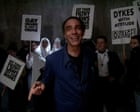
The documentary film 'Queer Edward II' offers a vivid time-capsule look at the publicly funded British arts scene of the early 1990s, focusing on the making of Derek Jarman's queer royal feature film, also titled 'Edward II'. This engrossing fly-on-the-wall documentary utilizes candid, behind-the-scenes footage shot by cinematographer Seamus McGarvey during the production of Jarman's 1991 film. McGarvey, who had previously worked as a camera assistant on Jarman's earlier works 'War Requiem' and 'The Garden', went on to have a distinguished career in cinematography. The footage captures Jarman's directorial style, portraying him as an effortless leader with a "beaming patrician authority," drawing comparisons to directors like David Lean and Richard Attenborough. The film depicts Jarman as a chief whose subordinates instinctively wished to please him, while shielding him from the practical difficulties of filmmaking, such as managing disgruntled extras or responding to tabloid press inquiries.
'Edward II,' the film within the documentary, is based on Christopher Marlowe's play about the 14th-century English king and his romantic relationship with his court favorite, Piers Gaveston. The lead roles in Jarman's film were played by Steven Waddington as Edward II and Andrew Tiernan as Piers Gaveston, with Tilda Swinton portraying Queen Isabella. The documentary 'Queer Edward II' specifically showcases the making of this historical drama, providing an intimate look at Jarman's creative process. The review highlights the "tremendously funny and candid" nature of the footage captured by McGarvey, which offers insights into the day-to-day operations and the atmosphere on set.
Significantly, the documentary was filmed during a period when Derek Jarman was living with HIV. McGarvey's camera discreetly observes Jarman managing his health condition with medication, a detail that adds a poignant layer to the behind-the-scenes narrative. Jarman had received his HIV diagnosis five years prior to the filming of 'Edward II.' The review emphasizes that this candid footage, combined with the subject matter of Jarman's film, creates a powerful and touching portrait of the director at work during a challenging personal time. The documentary is presented as a valuable record of both Jarman's artistic output and the broader cultural landscape of British independent filmmaking in the early 1990s, a period marked by significant shifts in arts funding and public discourse around LGBTQ+ issues.
The review praises 'Queer Edward II' for its ability to serve as a "vivid time-capsule." It highlights specific moments, such as "uproarious scenes at a Cliff Richard rehearsal," suggesting that the documentary captures not only the serious artistic endeavors but also the lighter, more unexpected aspects of the production. The film's focus on Jarman's directorial presence and his interactions with the cast and crew underscores his influence and the collaborative nature of filmmaking. The documentary's release and critical reception underscore the enduring legacy of Derek Jarman as a pioneering filmmaker whose work consistently challenged conventions and explored themes of identity, history, and sexuality within the context of British cinema.
Original source — read the full reporting at the publisher:
Read on The Guardian CultureGet the weekly AI digest
AI news + new model releases, weekly. Drafted by our agents, reviewed by humans.