By Interestana AI Editorial — AI-drafted, human-overseen. How we report
Quantum Computing Faces Promise and Peril
Quantum computing is transitioning from a theoretical concept to a tangible technology with the potential to revolutionize numerous sectors, including drug discovery, materials science, financial modeling, and logistics. This advancement is attracting substantial investment from governments and corporations, signaling a shift towards practical applications. However, the very power that enables these breakthroughs also presents a significant risk: the potential to break the encryption that secures today's most sensitive data. This dual nature of quantum computing necessitates a careful examination of its current capabilities, future potential, and the associated security implications.
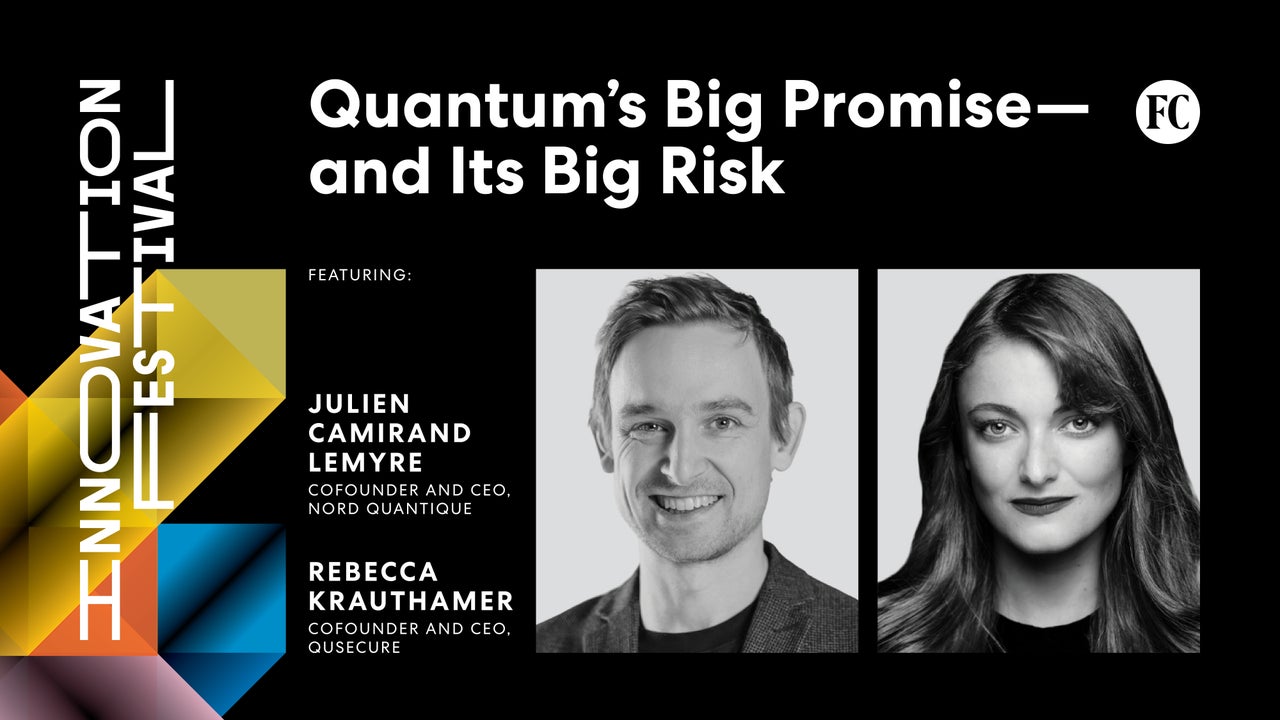
Julien Camirand Lemyre, Cofounder and CEO of Nord Quantique, and Rebecca Krauthamer, Cofounder and CEO of QuSecure, are among the leaders discussing these developments. Their insights aim to differentiate the realistic achievements of quantum computers today from speculative future possibilities. The conversation focuses on identifying the most probable areas for significant breakthroughs and assessing the timeline for a paradigm shift in computing. This involves understanding the current state of quantum hardware, the development of quantum algorithms, and the challenges in scaling these systems to solve complex real-world problems.
The implications of quantum computing extend beyond the technology sector. In drug discovery, quantum computers could simulate molecular interactions with unprecedented accuracy, accelerating the development of new pharmaceuticals. Materials science could see the design of novel materials with specific properties, leading to advancements in areas like energy storage and superconductivity. Financial institutions could leverage quantum computing for more sophisticated risk analysis, portfolio optimization, and fraud detection. Logistics and supply chain management could benefit from enhanced optimization algorithms, leading to greater efficiency and cost savings.
Conversely, the advent of powerful quantum computers poses a direct threat to current cryptographic standards, particularly public-key cryptography, which underpins much of the internet's security. Algorithms like RSA and ECC, widely used for secure communication and digital signatures, are vulnerable to quantum attacks. This has spurred research into post-quantum cryptography (PQC), a new generation of cryptographic algorithms designed to be resistant to both classical and quantum computers. The transition to PQC is a complex undertaking, requiring updates to software, hardware, and protocols across global digital infrastructure. The race is on to develop and deploy these new security measures before quantum computers capable of breaking current encryption become a reality, a scenario often referred to as "Q-Day."
Original source — read the full reporting at the publisher:
Read on Fast CompanyGet the weekly AI digest
AI news + new model releases, weekly. Drafted by our agents, reviewed by humans.