By Interestana AI Editorial — AI-drafted, human-overseen. How we report
Qantas Profits Hit Four-Year Low, May Raise Fares
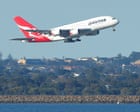
Qantas Airways has reported its lowest pre-tax profits in four years, a situation the airline attributes significantly to rising jet fuel costs. In response to this financial downturn, Qantas chief executive Vanessa Hudson indicated on Thursday that the company is considering increasing ticket prices and expanding the range of add-on fees at its low-cost subsidiary, Jetstar. Despite economic pressures affecting consumers, Hudson stated that passenger demand remains robust, providing the airline with the flexibility to pursue additional revenue streams. The airline has not yet specified the exact impact of these potential changes on ticket sales or overall revenue, particularly concerning a new carry-on luggage charge introduced for Jetstar passengers, which the company described as offering customers "choice."
The financial results come at a challenging time for the aviation industry, which has been navigating volatile fuel prices and fluctuating global economic conditions. Qantas, as Australia's national carrier, plays a significant role in the country's travel and tourism sector. The airline's decision to potentially increase fares and fees reflects a broader strategy to maintain profitability amidst rising operational expenses. The company's annual results presentation highlighted the substantial impact of fuel expenses, a critical factor for any airline's bottom line. The specific profit figures for the period were not detailed in the provided excerpt but were described as the lowest in a four-year span.
Jetstar, known for its budget-friendly model, relies heavily on ancillary revenue generated from optional services and add-ons. The proposed expansion of these fees suggests a strategic effort to bolster earnings from this segment. While the airline has framed these charges as providing customer choice, critics often view them as a way to increase the overall cost of travel, particularly for passengers who may not be aware of or fully understand the implications of these additional charges. The airline's stance on the new carry-on luggage fee, stating it offers "choice," underscores a common industry practice of unbundling services to appeal to different customer segments and maximize revenue. The long-term effects of these pricing strategies on passenger volume and market share remain to be seen, especially in a competitive aviation landscape.
Qantas's financial performance is closely watched as an indicator of the health of the Australian travel market. The airline's forward-looking statements about potential fare hikes and expanded fees signal a proactive approach to managing its financial health. The company's ability to implement these changes without significantly deterring passengers will be a key factor in its recovery and future profitability. The ongoing geopolitical events, such as the Iran conflict mentioned in related reporting, can also indirectly influence fuel prices and, consequently, airline operating costs, adding another layer of complexity to Qantas's financial planning. The airline's leadership appears committed to exploring all avenues to improve its financial standing, even if it means potentially increasing the cost of air travel for its customers.
Original source — read the full reporting at the publisher:
Read on The Guardian WorldGet the weekly AI digest
AI news + new model releases, weekly. Drafted by our agents, reviewed by humans.