Putin Signs Tax Law to Boost Domestic Fuel Supply
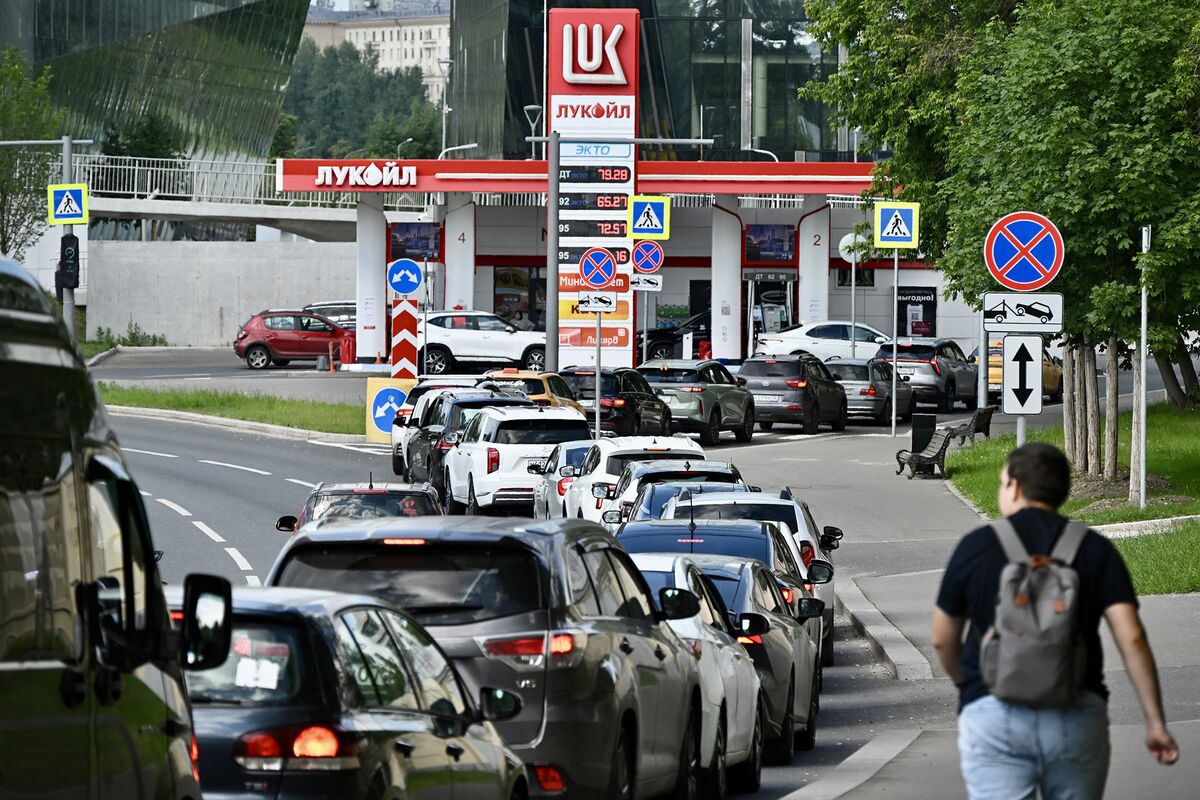
Russian President Vladimir Putin signed a law on April 10, 2024, introducing tax amendments aimed at stimulating gasoline supplies to the domestic market. The legislation seeks to incentivize oil refineries to prioritize domestic sales over exports by adjusting tax liabilities. This move is intended to stabilize internal fuel prices and ensure adequate availability for Russian consumers and industries.
The specific tax adjustments are designed to make it more financially attractive for refineries to sell their gasoline production within Russia. Historically, Russian refineries have sometimes found it more profitable to export gasoline due to international market prices and demand. The new law aims to rebalance this equation by reducing the tax burden on domestically sold fuel. This could involve changes to export duties or other fiscal incentives that directly impact the profitability of domestic sales.
This initiative comes as part of broader efforts by the Russian government to ensure energy security and manage the economic impact of global market fluctuations. By securing a more stable and predictable domestic fuel supply, the Kremlin hopes to mitigate potential price shocks and support economic activities that rely heavily on fuel, such as agriculture and transportation. The effectiveness of the law will depend on the precise calibration of the tax changes and the response of the refining sector.
The Russian Ministry of Energy and other relevant bodies will likely monitor the implementation of this law closely. They will assess its impact on refinery output, domestic sales volumes, and consumer prices. If the initial measures prove insufficient, further adjustments to fiscal policy or other regulatory interventions may be considered to achieve the desired outcome of increased domestic fuel availability.
Original source — read the full reporting at the publisher:
Read on Bloomberg Markets