By Interestana AI Editorial — AI-drafted, human-overseen. How we report
Putin Signs Russia's First Crypto Law
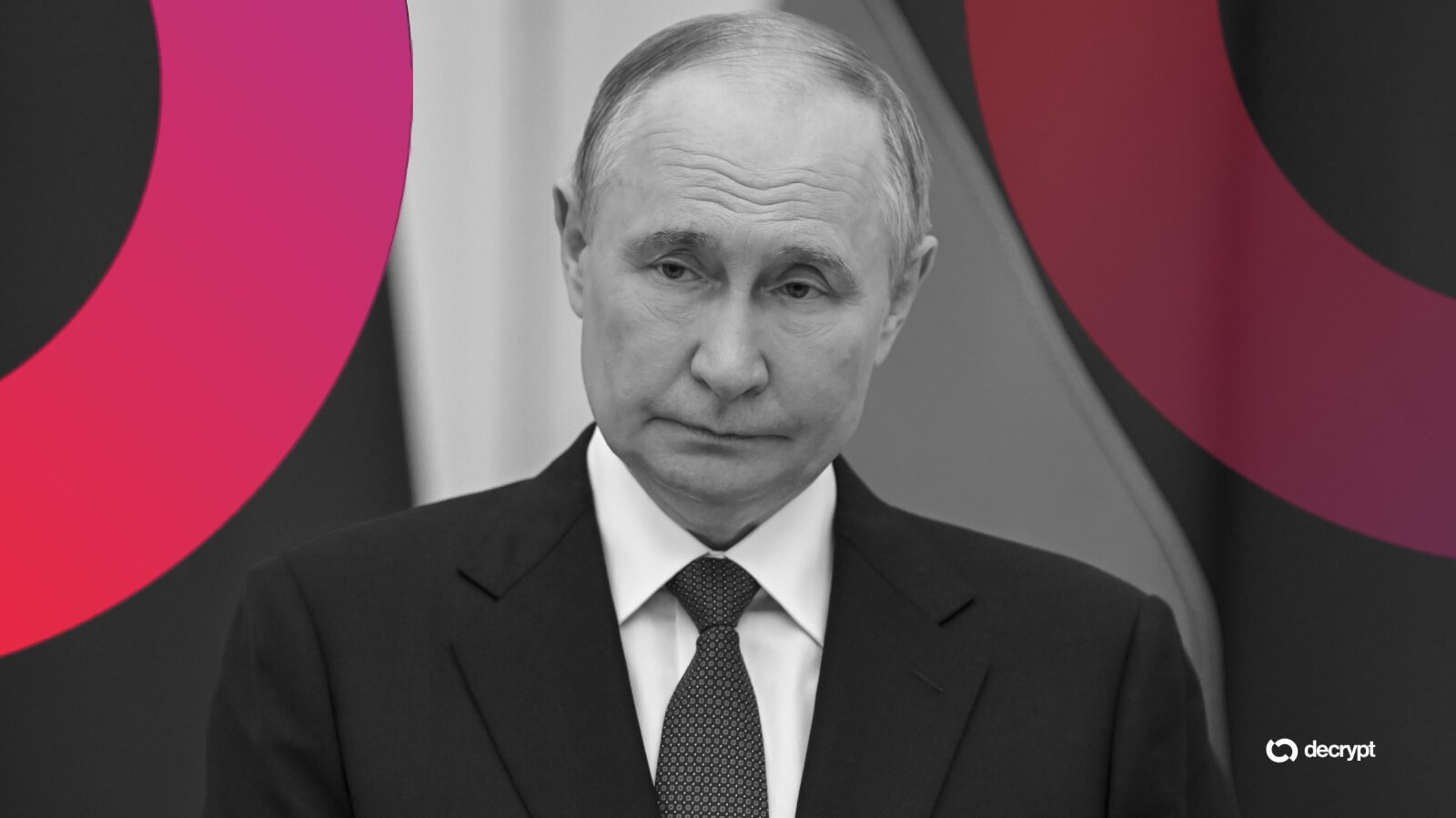
Russian President Vladimir Putin signed the country's first comprehensive cryptocurrency law on February 1, 2024, establishing a framework for the regulation of digital assets. This landmark legislation permits the trading of cryptocurrencies but explicitly prohibits their use as a means of payment for goods and services within Russia. The new law aims to create a licensed and centrally supervised market for digital assets, bringing them under the purview of the Bank of Russia. This move signifies a significant shift in Russia's stance on digital currencies, moving from a largely prohibitive approach to one that seeks to control and legitimize the market. The legislation defines digital currency as a type of electronic money and outlines the procedures for issuing, circulating, and exchanging cryptocurrencies. It mandates that all participants in the digital asset market, including exchanges and brokers, must obtain licenses from the central bank. These licensed entities will be subject to stringent oversight, including capital requirements, anti-money laundering (AML) protocols, and know-your-customer (KYC) regulations. The Bank of Russia will be responsible for maintaining a registry of licensed entities and for enforcing compliance with the new regulations. The prohibition on using cryptocurrencies for payments is a key feature of the law, designed to maintain the stability of the national currency, the ruble, and to prevent potential circumvention of capital controls. This dual approach—allowing trading while banning payments—reflects a cautious strategy by the Russian government to harness the potential economic benefits of the digital asset sector without undermining its financial sovereignty. The law also addresses issues related to the mining of cryptocurrencies, although specific regulations for mining operations are expected to be detailed in subsequent amendments or related decrees. The development of this legal framework has been a lengthy process, with initial proposals dating back several years. The Ministry of Finance and the Bank of Russia have been at odds over the extent of regulation, with the central bank initially advocating for a near-total ban, while the Ministry of Finance pushed for a more liberal approach to foster innovation. This compromise law appears to represent a middle ground, acknowledging the existence and potential of cryptocurrencies while prioritizing financial stability and state control. The implementation of this law is expected to have a substantial impact on the Russian cryptocurrency market, potentially attracting both domestic and international investors who were previously deterred by regulatory uncertainty. However, it also introduces new compliance burdens for businesses operating in the sector. The global context of cryptocurrency regulation, with countries like the United States and the European Union also grappling with how to manage digital assets, provides a backdrop for Russia's legislative efforts. The law's effectiveness will depend on the clarity of its implementation and the ongoing regulatory adjustments made by the Bank of Russia.
Original source — read the full reporting at the publisher:
Read on DecryptGet the weekly AI digest
AI news + new model releases, weekly. Drafted by our agents, reviewed by humans.