By Interestana AI Editorial — AI-drafted, human-overseen. How we report
Purple Plants Reign Supreme in British Gardens
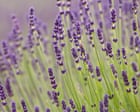
Purple has emerged as the dominant horticultural color for British gardeners this summer, signaling a significant shift away from previous trends favoring grey paving and manicured lawns. This embrace of vibrant color is supported by extensive research conducted by the Royal Horticultural Society (RHS), which identified popular purple-flowering plants such as lavender, salvias, and catmint as being particularly in vogue. The RHS findings indicate a growing preference among Britons for gardens that showcase a rich palette of colors, with purple plants leading the charge in popularity.
This trend represents a departure from the minimalist and often monochromatic aesthetics that have characterized garden design in recent years. The move towards more colorful and naturalistic planting schemes suggests a desire for gardens that are not only visually appealing but also potentially more biodiverse and reflective of natural landscapes. Lavender, known for its fragrant blooms and calming properties, has long been a favorite, but its current prominence, alongside other purple varieties, highlights a broader horticultural movement. Salvias offer a variety of purple shades and bloom times, providing extended color, while catmint (Nepeta) is prized for its profusion of lavender-blue flowers and its appeal to pollinators.
The Royal Horticultural Society's research, which underpins these observations, likely involved surveys, sales data analysis, and expert horticultural assessments to gauge current gardening preferences across the United Kingdom. While the specific methodology and sample size of the RHS research are not detailed in the provided text, the organization's standing as a leading authority on horticulture lends significant weight to its findings. The RHS is a renowned horticultural charity that promotes and improves the science, art, and practice of horticulture. Its extensive gardens and educational programs have influenced gardening practices for generations, making its insights into popular trends particularly valuable.
The shift towards purple plants can also be interpreted within a wider cultural context. Color psychology suggests that purple is often associated with creativity, luxury, and tranquility, qualities that many people seek to cultivate in their personal spaces, including their gardens. As urban living becomes more prevalent and the need for green spaces intensifies, gardens are increasingly viewed as sanctuaries for relaxation and personal expression. The popularity of purple flowers may reflect a collective desire for these emotional and psychological benefits. Furthermore, the ease of care associated with many popular purple-flowering plants, such as lavender, which thrives in well-drained soil and full sun, makes them an attractive choice for both novice and experienced gardeners looking for impactful yet manageable planting options. This trend indicates a move towards more resilient and visually rewarding garden designs that prioritize color and sensory experience.
Original source — read the full reporting at the publisher:
Read on The Guardian WorldGet the weekly AI digest
AI news + new model releases, weekly. Drafted by our agents, reviewed by humans.