By Interestana AI Editorial — AI-drafted, human-overseen. How we report
‘Prisoners killed each other’s kittens. So now they’re forbidden inside’: Vladimir Karamazov’s best photograph
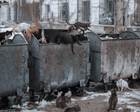
Belene prison, a maximum-security correctional facility situated on an island in northern Bulgaria near the Romanian border, has enacted a strict prohibition on inmates keeping pets. This measure stems from a history of inter-inmate conflict that tragically involved stray kittens adopted by prisoners. The prison itself is notable for being the most heavily guarded of its kind in Bulgaria and houses the largest number of individuals serving life sentences for murder, underscoring its stringent security protocols and the severity of the crimes committed by its population.
Photographer Vladimir Karamazov, through his project titled 'For the Grace of God,' documented the complex environment within Belene prison. During his observations, Karamazov noted that many prisoners had formed emotional bonds with stray kittens that frequented the island. These animals were adopted and cared for as pets, offering a semblance of companionship and normalcy in an otherwise bleak existence. However, the prison environment proved to be a volatile setting for such attachments. Karamazov explains that these pets unfortunately became instruments of retribution and punishment, with prisoners targeting each other's animals as a means of inflicting pain or enacting revenge. This destructive cycle extended beyond the kittens; even prisoners who nurtured flowers, finding solace in their growth, would see their efforts thwarted by others who destroyed them.
The underlying principle, as articulated by Karamazov, is that "anything a prisoner can create a relationship with can be destroyed." This deliberate destruction of attachments is presented as an integral component of the punishment system, designed to reinforce the profound isolation and lack of personal connections that define the incarcerated experience. The absence of family and the inability to form meaningful bonds are central to this punitive strategy. The ban on pets, therefore, is a direct consequence of these escalating tensions and acts of violence that revolved around the animals. The island setting, while contributing to the prison's security by making escape nearly impossible, also hosts a natural population of stray cats, pigeons, and mosquitoes, creating a unique ecological context for the correctional facility. The prohibition on pets aims to preemptively address a specific source of conflict and violence within the inmate population, illustrating the persistent challenges of maintaining order and preventing retaliatory actions in a correctional setting.
Original source — read the full reporting at the publisher:
Read on The Guardian CultureGet the weekly AI digest
AI news + new model releases, weekly. Drafted by our agents, reviewed by humans.