Flexible Funds Gain Traction Amidst High Credit Market Valuations
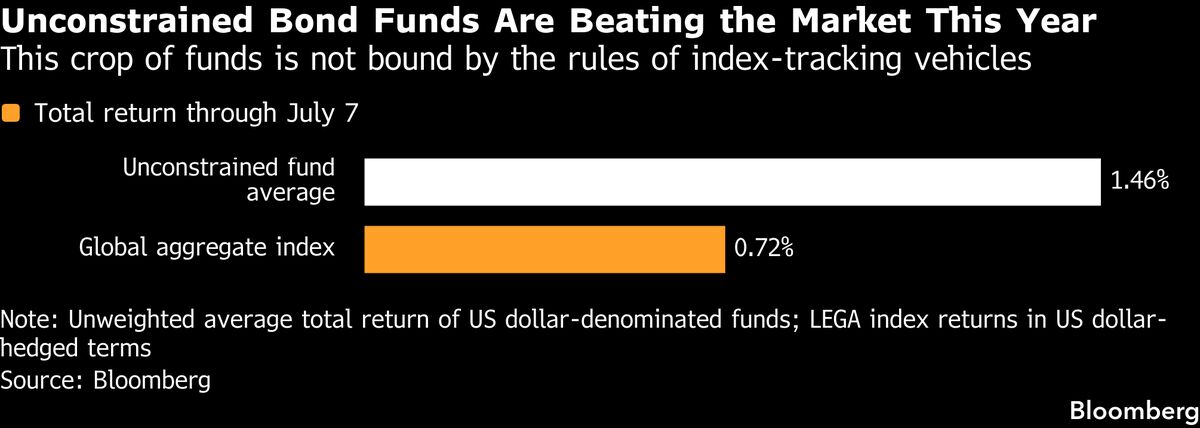
Investors are increasingly allocating capital to flexible funds that possess the ability to purchase a wide range of assets. This trend is driven by the current credit market environment, where high valuations leave little room for error, making adaptable investment strategies more appealing. These flexible funds, often referred to as "go-anywhere" funds, are designed to navigate volatile markets by shifting their holdings across different asset classes, sectors, and geographies in response to changing economic conditions and opportunities.
The appeal of these funds stems from their capacity to pivot quickly. In a market where traditional fixed-income investments may offer limited upside due to compressed yields and elevated prices, managers of flexible funds can explore alternative avenues. This might include investing in distressed debt, private credit, equities, commodities, or even cryptocurrencies, depending on their mandate and market outlook. The objective is to generate returns that are less correlated with broader market movements and to protect capital during downturns.
Several factors contribute to the current market conditions favoring such strategies. Persistent inflation concerns and the subsequent interest rate hikes by central banks have created a more complex and uncertain economic landscape. This uncertainty, coupled with the already high valuations in many traditional asset classes, means that identifying mispriced assets or sectors with strong growth potential requires a broader and more agile approach. The ability to move swiftly into and out of positions is therefore a key advantage.
While these flexible funds offer potential benefits, they also come with their own set of risks. The broad mandate can lead to significant deviations from traditional benchmarks, and performance can be highly dependent on the skill and judgment of the fund manager. Investors need to carefully assess the fund's investment strategy, risk management protocols, and historical performance before committing capital. The fees associated with actively managed flexible funds can also be higher than those of passive index funds, reflecting the increased management expertise and trading activity involved.
Original source — read the full reporting at the publisher:
Read on Bloomberg Markets