By Interestana AI Editorial — AI-drafted, human-overseen. How we report
European Crops Suffer Extreme Heat, Driving Olive Oil Price Hikes
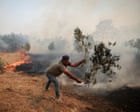
Farmers across Europe are issuing stark warnings about a significant slump in food production and subsequent price increases, as a wide array of crops, including maize and salads, are suffering from the impacts of extreme heat, drought, and wildfires. These adverse weather conditions, exacerbated by the ongoing climate crisis, are driving temperatures across the continent to fresh record highs. The olive groves have been particularly hard-hit, with projections indicating that the cost of olive oil, which is already at elevated levels, is expected to begin rising again. This situation is a direct consequence of the persistent high temperatures and lack of rainfall that have plagued agricultural regions throughout Europe during the summer months.
The agricultural sector is grappling with multiple challenges simultaneously. The intense heatwaves have not only reduced yields but have also increased the risk and severity of wildfires, which can devastate farmland and infrastructure. Drought conditions have further stressed crops, limiting their growth and quality. For olive oil producers, the timing of these extreme weather events is critical, as the flowering and fruit development stages of olive trees are highly sensitive to temperature and water availability. Reduced harvests directly translate to a tighter supply, which, in turn, puts upward pressure on prices in the global market. This follows a period where olive oil prices had already seen substantial increases due to previous weather-related issues and other market factors.
Experts in agricultural economics are closely monitoring the situation, noting that the ripple effects of these crop failures will extend beyond olive oil. Staple crops like maize are essential for animal feed and various food products, meaning their diminished supply could impact the prices of meat, dairy, and processed foods. Similarly, reduced yields of salad crops and other vegetables will affect consumer grocery bills. The interconnectedness of the food supply chain means that localized weather events in major agricultural producing regions can have far-reaching consequences for consumers worldwide. The current climate patterns suggest that such extreme weather events may become more frequent and intense, posing a long-term threat to food security and price stability.
Governments and agricultural organizations are exploring potential mitigation strategies, including investments in drought-resistant crop varieties, improved irrigation techniques, and enhanced wildfire prevention measures. However, the scale of the current crisis underscores the urgent need for more comprehensive climate action to address the root causes of these extreme weather patterns. The agricultural community is calling for greater support and policy interventions to help them adapt to the changing climate and ensure the resilience of food production systems. The upcoming harvest season will provide a clearer picture of the full extent of the damage, but the initial outlook points towards continued price volatility and increased costs for consumers.
Original source — read the full reporting at the publisher:
Read on The Guardian WorldGet the weekly AI digest
AI news + new model releases, weekly. Drafted by our agents, reviewed by humans.