Grounded Plane Delays Soar, Stranding Passengers
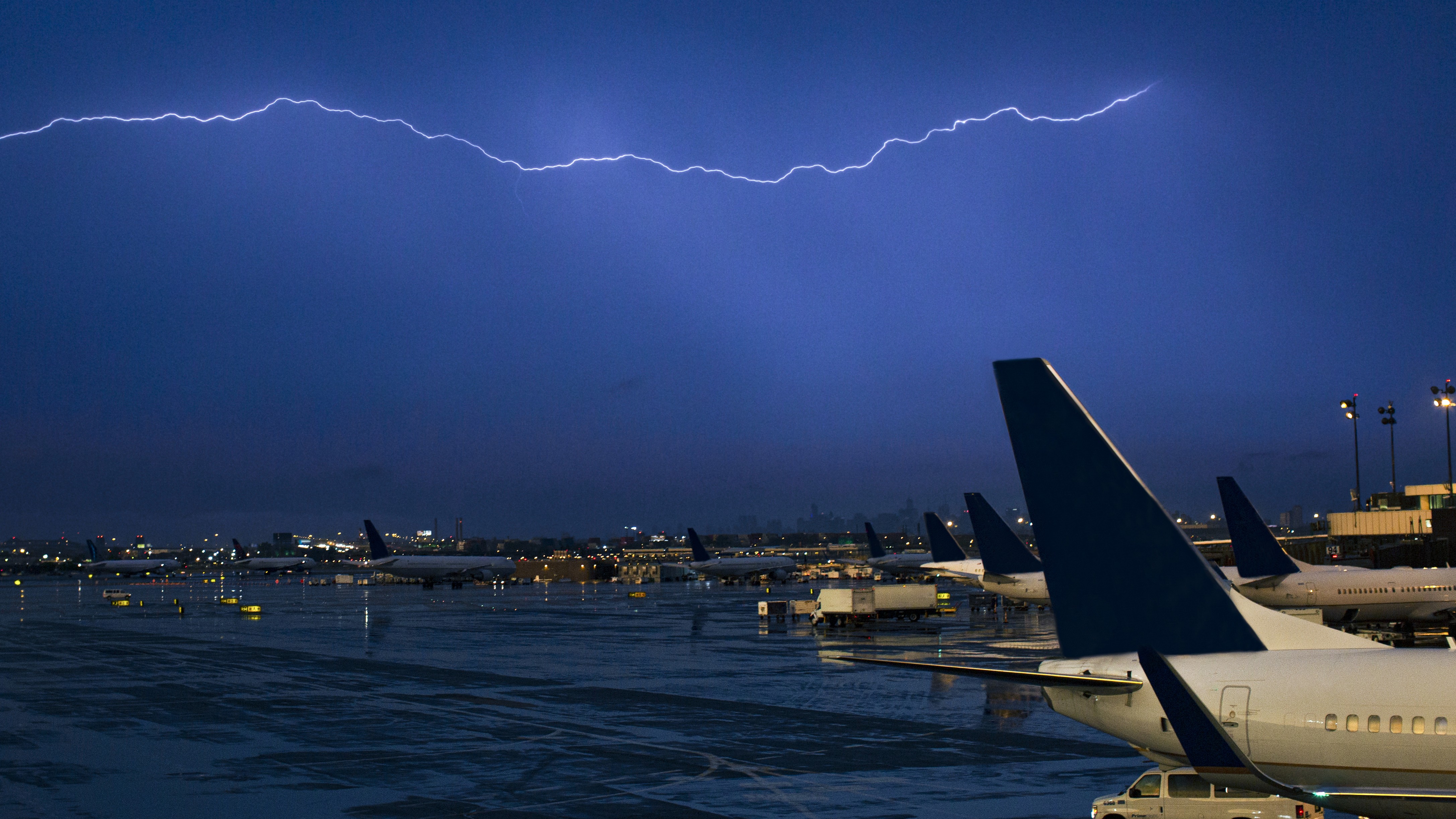
The frequency of passengers being stranded for extended periods on grounded aircraft has seen a notable increase. This phenomenon, often referred to as "airplane purgatory," signifies a growing challenge within the aviation industry, leading to significant passenger inconvenience and operational disruptions. The causes for these prolonged groundings are multifaceted, often stemming from a combination of factors that strain airline capacity and air traffic control systems.
Several contributing elements are cited for the rise in these incidents. These include a surge in air travel demand post-pandemic, which has outpaced the recovery of airline staffing levels and the availability of airport infrastructure. Furthermore, an increase in severe weather events, exacerbated by climate change, frequently leads to widespread flight cancellations and delays, creating cascading effects that leave planes and passengers stuck on the tarmac. The complexity of modern air traffic management also plays a role, with intricate scheduling and limited airspace contributing to bottlenecks.
Operational challenges for airlines, such as aircraft maintenance backlogs and a shortage of qualified pilots and crew, further exacerbate the situation. When flights are delayed or canceled, airlines struggle to re-accommodate passengers and reposition aircraft efficiently, leading to a higher probability of planes being held on the ground for extended durations. This creates a domino effect, impacting subsequent flights and increasing the overall likelihood of passengers facing hours-long waits on the tarmac.
The consequences for passengers extend beyond mere discomfort. Extended ground delays can lead to missed connections, lost luggage, and significant disruption to travel plans, affecting both leisure and business travelers. The psychological toll of being confined to an aircraft for hours without clear communication or resolution also contributes to passenger frustration. Airlines and airports are reportedly exploring various strategies to mitigate these occurrences, including improved communication protocols, enhanced operational flexibility, and investments in infrastructure, though the problem persists as a significant concern for modern air travel.
Original source — read the full reporting at the publisher:
Read on The Atlantic