By Interestana AI Editorial — AI-drafted, human-overseen. How we report
Devil's Arrows Stones Moved 11 Miles by Prehistoric Builders
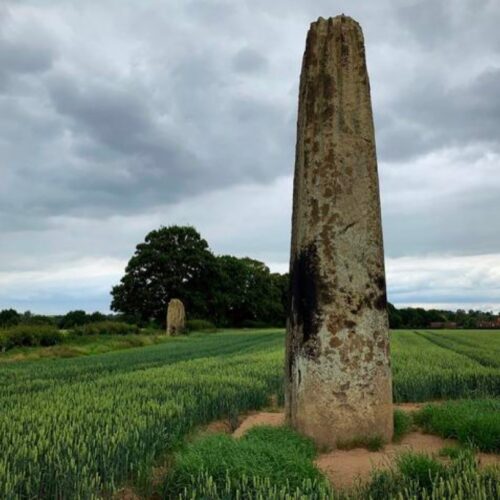
Scientists have confirmed that the stones forming the Devil's Arrows, Britain's tallest standing stone alignment, were transported by prehistoric humans from a source site located 18 kilometers (11 miles) away. This finding, published in the Proceedings of the Royal Society A: Mathematical, Physical and Engineering Sciences, refutes the possibility of glacial movement as the primary force behind the stones' placement. The research indicates that Neolithic communities undertook a significant effort to move several 25-ton stones across Yorkshire, transforming the landscape into a sacred site.
Jim Leary, a co-author of the study from the University of York, highlighted that while monuments like Stonehenge in southern England and Calanais in Scotland receive substantial research attention, sites such as the Devil's Arrows have been comparatively understudied despite their historical significance. The confirmation of human transport for these massive stones provides crucial insight into the capabilities and motivations of Neolithic societies. This undertaking represents an "epic quest" to create a sacred landscape, demonstrating a level of planning and coordinated effort previously underestimated for this period.
The Devil's Arrows, located near Boroughbridge in North Yorkshire, consist of three remaining monoliths, with a fourth having been lost. These stones are composed of millstone grit, a type of sandstone. The study employed geochemical analysis to pinpoint the origin of the stones, comparing their composition to various geological formations in the surrounding region. The identified source quarry is approximately 18 kilometers (11 miles) from the Devil's Arrows site, a considerable distance for the transportation of stones weighing up to 25 tons each using Neolithic technology.
This discovery contributes to a broader understanding of megalithic monument construction, drawing parallels with extensive research on Stonehenge. For instance, a 2019 study on Stonehenge revealed that its 42 bluestones originated from western Wales, over 230 kilometers (140 miles) away, indicating a long-distance transport of materials for that monument as well. The sarsen stones at Stonehenge, which form the outer circle and the lintels, were found to come from Marlborough Downs, located about 25 to 30 kilometers (17 miles) north of Stonehenge, an area known for its high concentration of sarsen stones in the UK. The Devil's Arrows research adds another significant example to the growing body of evidence detailing the ambitious scale and logistical prowess of prehistoric builders in shaping their environments for ritualistic and cultural purposes.
Original source — read the full reporting at the publisher:
Read on Ars TechnicaGet the weekly AI digest
AI news + new model releases, weekly. Drafted by our agents, reviewed by humans.