By Interestana AI Editorial — AI-drafted, human-overseen. How we report
Prediction Markets Advance Towards Supreme Court
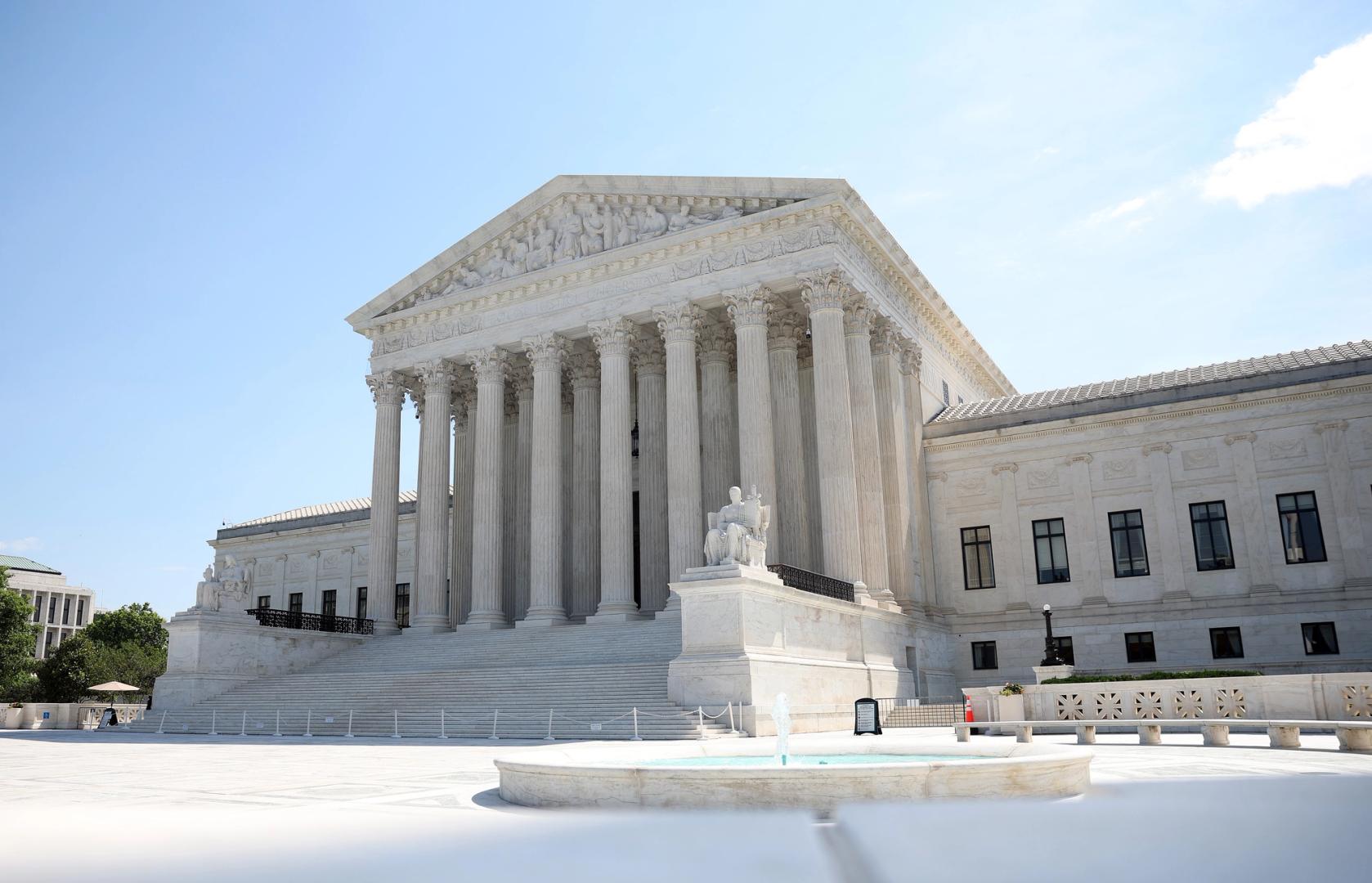
New Jersey filed a petition for a writ of certiorari with the Supreme Court last week, a significant step that could determine the future legality of prediction markets in the United States. This action places the case of Kalshi, a prediction market platform, directly before the nation's highest court. The petition asks the Supreme Court to review a lower court's decision that had previously sided with Kalshi, ruling that its event contracts were not illegal gambling under federal law. The Third Circuit Court of Appeals had affirmed a district court's ruling that Kalshi's offerings were more akin to insurance or futures contracts, which are regulated by the Commodity Futures Trading Commission (CFTC), rather than illegal wagers. This legal battle began when the New Jersey Attorney General's office sought to block Kalshi from operating within the state, arguing that its prediction markets constituted unlawful gambling. Kalshi, which allows users to bet on the outcome of future events, including political elections and economic indicators, had previously registered with the CFTC as a designated contract market. The company's defense has centered on the argument that its contracts are not based on chance but on the verifiable occurrence of future events, making them distinct from traditional gambling. The CFTC itself has taken a stance that some forms of prediction markets could fall under its regulatory purview if structured as derivatives. The outcome of this Supreme Court case could have far-reaching implications for the nascent prediction market industry, potentially establishing a precedent for how such platforms are regulated nationwide. If the Supreme Court agrees to hear the case, it will be tasked with clarifying whether these event contracts are considered gambling or a form of financial instrument. The legal uncertainty surrounding prediction markets has been a persistent challenge for operators like Kalshi, hindering broader adoption and investment. A definitive ruling from the Supreme Court would provide much-needed clarity, either by affirming the legality and regulated nature of these markets or by imposing significant restrictions. The petition's filing marks a critical juncture, moving the debate from lower appellate courts to the ultimate arbiter of federal law. The implications extend beyond Kalshi, potentially impacting other platforms and the broader concept of information markets. The legal framework for prediction markets has been a complex area, with differing interpretations of existing gambling and financial regulations. The Supreme Court's decision, should it choose to review the case, will be closely watched by industry participants, regulators, and legal scholars alike, as it could reshape the landscape of event-based financial instruments and information aggregation.
Original source — read the full reporting at the publisher:
Read on CoinDeskGet the weekly AI digest
AI news + new model releases, weekly. Drafted by our agents, reviewed by humans.