Oil Prices Drop Amid Increased Strait of Hormuz Flow
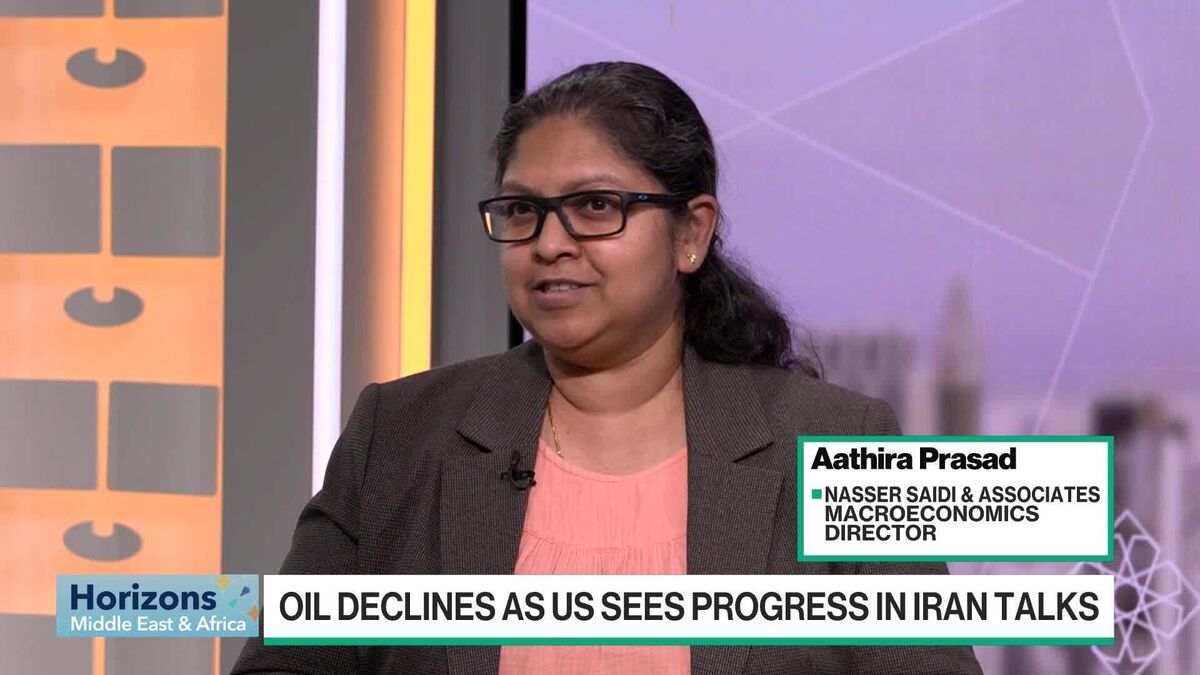
Oil prices continued their downward trend for the third consecutive day, influenced by an increase in crude oil flow through the Strait of Hormuz. Aathira Prasad, Director of Macroeconomics at Nasser Saidi & Associates, discussed the current state of oil supply and projected prices for the remainder of 2026 in an interview with Bloomberg's Abeer Abu Omar on Horizons Middle East and Africa. The Strait of Hormuz is a critical chokepoint for global oil transportation, and any fluctuations in its traffic can significantly impact market sentiment and pricing. Increased activity through this waterway suggests a potential rise in supply, which typically exerts downward pressure on prices. Prasad's analysis aimed to provide clarity on the market's trajectory amidst ongoing geopolitical and economic factors that influence oil production and demand. The discussion focused on the interplay between supply-side dynamics, such as the volume of oil moving through key maritime routes, and the broader economic outlook that shapes global energy consumption. The continued drop in oil prices indicates that market participants are factoring in the higher supply levels, leading to a recalibration of price expectations for the coming months. This development comes at a time when global energy markets are closely watched for signs of stability or volatility, with implications for inflation, economic growth, and energy security worldwide. The interview provided insights into the factors that will likely shape the oil market's performance in the latter half of 2026, highlighting the persistent uncertainty that often characterizes commodity markets.
Original source — read the full reporting at the publisher:
Read on Bloomberg Markets