By Interestana AI Editorial — AI-drafted, human-overseen. How we report
Nor'easter Storm Causes Widespread Power Outages in US Northeast
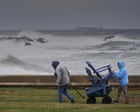
A powerful nor'easter storm caused widespread power outages and hazardous conditions across the northeastern United States on Saturday, September 26, 2026. More than 70,000 customers were reported to be without electricity, primarily impacting states including New Jersey, Massachusetts, Delaware, and New York. Forecasters issued warnings of gale-force winds, with the potential to cause significant damage by downing trees and power lines. The storm was also predicted to bring heavy rainfall, leading to dangerous road inundations and flash flooding throughout the weekend.
The storm's progression indicated a significant meteorological event, characterized by its "nor'easter" classification, which typically involves a low-pressure system forming off the East Coast of North America. These storms are known for their capacity to generate severe weather, including strong winds, heavy precipitation, and coastal flooding. The impact on infrastructure was immediate, with the loss of power affecting a substantial portion of the region's population. Emergency services were on alert to respond to the anticipated challenges, including fallen trees blocking roadways and widespread flooding that could impede travel and access.
Residents in the affected areas were advised to prepare for prolonged power disruptions and to exercise caution when traveling. The National Weather Service had issued advisories detailing the expected severity of the storm, emphasizing the risks associated with high winds and flooding. The combination of these factors created a challenging environment for both individuals and public safety officials. The storm's trajectory and intensity suggested that its effects would be felt for an extended period, potentially through Sunday and into the early part of the following week, depending on its dissipation rate and path.
The widespread power outages highlighted the vulnerability of the region's electrical grid to severe weather events. Utility companies were mobilizing crews to address the outages as quickly and safely as possible, but the scale of the damage and the ongoing weather conditions posed significant logistical hurdles. The flooding of roads presented an additional layer of complexity, potentially delaying repair efforts and emergency response. The situation underscored the importance of preparedness measures for communities facing such meteorological threats, including having emergency supplies and backup power options.
Original source — read the full reporting at the publisher:
Read on The Guardian WorldGet the weekly AI digest
AI news + new model releases, weekly. Drafted by our agents, reviewed by humans.