By Interestana AI Editorial — AI-drafted, human-overseen. How we report
Port of Los Angeles Invests $200 Million in Zero Emission Equipment
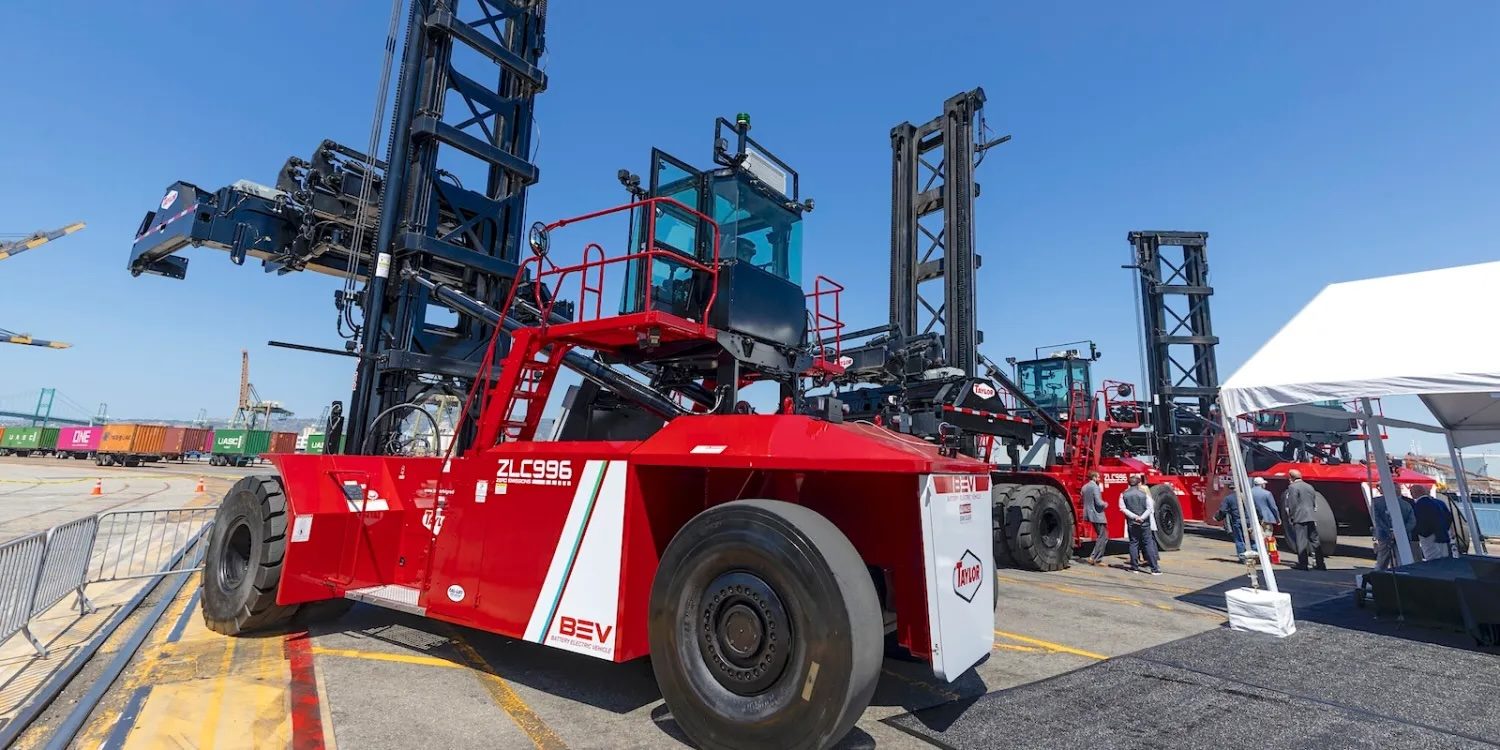
The Port of Los Angeles has finalized a new 30-year lease agreement with Yusen Terminals, a marine terminal operator, which includes a significant commitment of $200 million dedicated to the acquisition of zero-emission cargo-handling equipment. This agreement, extending through 2056, marks a substantial step forward in the port's ongoing efforts to enhance environmental sustainability and reduce its carbon footprint.
The investment will facilitate the transition away from traditional diesel-powered machinery towards advanced, cleaner technologies. This includes the procurement of electric or hydrogen-powered yard tractors, forklifts, and other essential equipment used in the loading and unloading of cargo. The move aligns with broader industry trends and regulatory pressures aimed at decarbonizing port operations, which are often significant contributors to local air pollution and greenhouse gas emissions. By adopting zero-emission technology, the Port of Los Angeles aims to improve air quality for surrounding communities and contribute to California's ambitious climate goals.
Yusen Terminals, as the lessee, will be instrumental in implementing this transition within its terminal operations. The company's commitment to fully embracing zero-emission equipment underscores a shared vision with the Port of Los Angeles for a more sustainable future. This partnership is expected to serve as a model for other terminal operators and ports seeking to modernize their infrastructure and operations in an environmentally responsible manner. The long-term nature of the lease provides the necessary stability for such a large-scale capital investment in new technologies.
This initiative is part of a larger strategy by the Port of Los Angeles to achieve its sustainability objectives. The port has been actively pursuing various environmental programs, including shore power for vessels, which allows ships to plug into the electrical grid while at berth, thereby reducing emissions from auxiliary engines. The investment in zero-emission cargo-handling equipment is a critical component of this comprehensive approach. The $200 million allocation represents one of the largest single investments in zero-emission equipment for a U.S. port, signaling a strong commitment to innovation and environmental stewardship. The successful implementation of this plan is anticipated to lead to measurable reductions in particulate matter, nitrogen oxides, and carbon dioxide emissions, benefiting both the environment and public health.
Original source — read the full reporting at the publisher:
Read on ElectrekGet the weekly AI digest
AI news + new model releases, weekly. Drafted by our agents, reviewed by humans.