By Interestana AI Editorial — AI-drafted, human-overseen. How we report
New York Sues Polymarket for Operating Illegal Gambling Platform
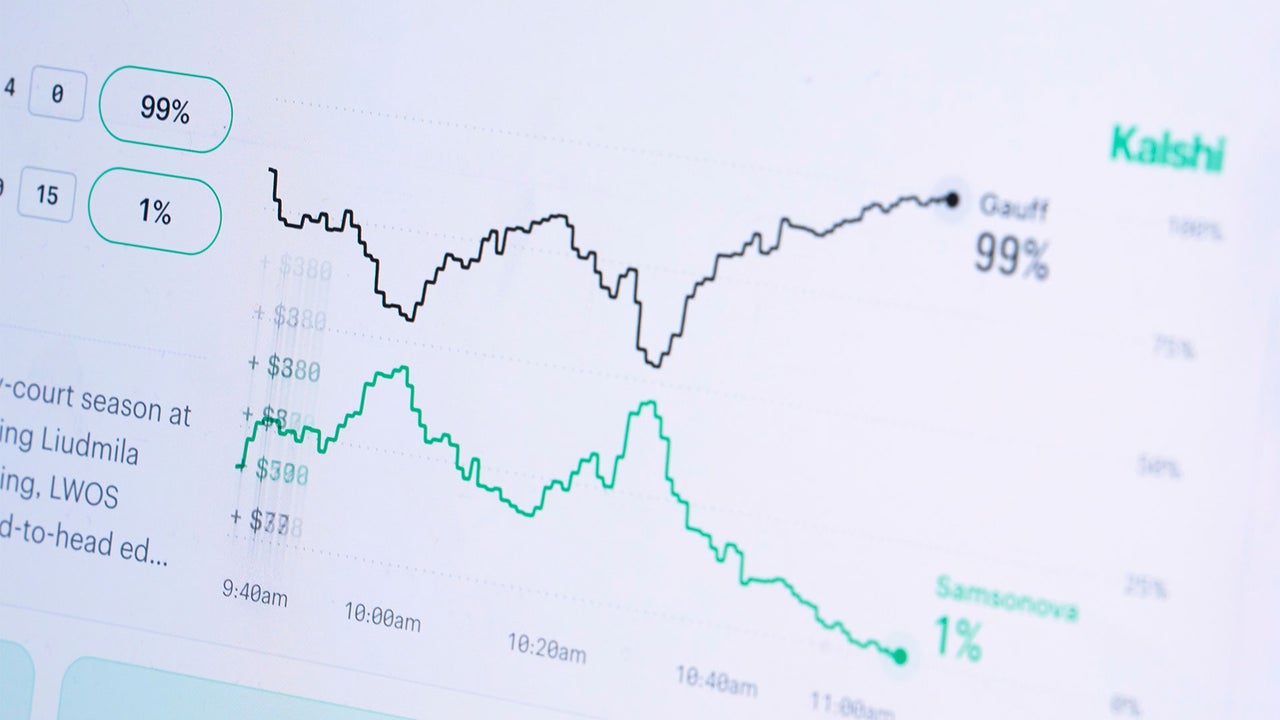
New York State filed a lawsuit on Thursday against the prediction market platform Polymarket, asserting that the company is operating an unlicensed gambling operation and seeking judicial intervention to cease its activities within the state. This legal action represents the most recent regulatory challenge from a state aiming to control the proliferation of betting applications that permit users to wager on a wide array of events, encompassing sports, meteorological forecasts, electoral outcomes, and technological developments. Prediction market platforms have historically contended that state governments lack the jurisdiction to regulate them, arguing that such platforms are subject to oversight at the federal level by the U.S. Commodity Futures Trading Commission (CFTC).
New York officials initiated the lawsuit against Polymarket in state court, seeking financial penalties and restitution for users, citing the platform's failure to obtain a required gaming license from the state. This legal strategy mirrors previous actions taken by New York against other platforms, including Kalshi, Coinbase, and Gemini, based on similar allegations. Governor Kathy Hochul stated in a press release that Polymarket's operation as an unlicensed gambling entity not only violates state law but also exposes New Yorkers, particularly minors who are more susceptible to problem gaming, to significant risks. In response, Polymarket's Chief Legal Officer, Neal Kumar, expressed the company's intent to defend its users and affirmed its commitment to New York, noting that the company, which began in a "tiny NYC apartment," now employs over 350 individuals in the state.
Polymarket and similar prediction market platforms differentiate themselves from traditional gambling by framing their operations as consumer-to-consumer trading, analogous to stock market mechanisms. Participants on these platforms can purchase and sell contracts whose value is linked to the predicted outcome of specific events. The platforms maintain that contract prices are determined by market trading activity, and their revenue is generated solely through trading fees. The Commodity Futures Trading Commission, which has previously expressed opposition to state-level regulation of these markets, did not immediately respond to requests for comment regarding the lawsuit. The state's lawsuit aims to establish a precedent for regulating such novel financial instruments that blur the lines between investment and gambling, particularly concerning consumer protection and state revenue.
Original source — read the full reporting at the publisher:
Read on Fast CompanyGet the weekly AI digest
AI news + new model releases, weekly. Drafted by our agents, reviewed by humans.