By Interestana AI Editorial — AI-drafted, human-overseen. How we report
Greater Manchester Mayoral Byelection Overshadowed by National Politics
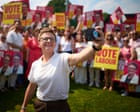
Voting commenced on July 30, 2026, for the Greater Manchester mayoral byelection, a contest involving over 2 million eligible voters to select a successor to Andy Burnham. This byelection is notable for its scale, being the largest in British political history. In typical circumstances, such a significant electoral event, particularly one involving a major political party like Labour, would command extensive media attention for an extended period. Senior figures within the Labour party had previously expressed concerns that the contest could be significantly impacted by Nigel Farage's Reform UK party. However, the narrative surrounding this byelection has been largely overshadowed by concurrent national political developments. The ascension of Andy Burnham to a higher political office has drawn considerable attention, diverting focus from the mayoral race he vacated. Furthermore, the political activities and public statements of Nigel Farage, leader of Reform UK, particularly his decision to contest a seat in Clacton, have captured a significant portion of the media spotlight. This dual distraction means that the Greater Manchester mayoral byelection, despite its size and importance, is receiving less coverage than it might otherwise. The Labour candidate, Bev Craig, is widely anticipated to win the contest. The byelection's diminished prominence highlights the impact of broader political narratives and high-profile figures on local electoral coverage. The scale of the electorate, exceeding 2 million individuals, underscores the potential significance of the outcome for the region's governance and policy direction. The race for the Greater Manchester mayoralty is a key indicator of regional political sentiment, but its usual impact on public discourse has been significantly diluted by the prominence of national political figures and events. The contest is a test for Labour's standing in a major metropolitan area, with the party aiming to retain control of a significant regional leadership position. The outcome will be closely watched as a barometer of public opinion ahead of future national elections, though the current media environment is making it difficult for the local contest to achieve its full potential for public engagement and debate. The byelection's reduced visibility is a consequence of the intense focus on the Prime Minister's recent activities and Nigel Farage's strategic political maneuvers, which have collectively dominated the news cycle. This situation presents a unique challenge for the candidates involved, as they strive to connect with voters amidst a crowded and attention-grabbing national political landscape. The outcome of the byelection is expected to be announced following the close of polls, with Bev Craig considered the frontrunner.
Original source — read the full reporting at the publisher:
Read on The Guardian WorldGet the weekly AI digest
AI news + new model releases, weekly. Drafted by our agents, reviewed by humans.