By Interestana AI Editorial — AI-drafted, human-overseen. How we report
Farage Spends Over £10,000 in Clacton Byelection
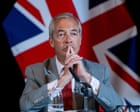
Nigel Farage, leader of the Reform UK party, has spent more than £10,000 on his campaign for the Clacton parliamentary byelection. Farage resigned from his position as the Member of Parliament for Clacton at the beginning of July, triggering this electoral contest. The byelection is notable for featuring a satirical candidate, Count Binface, who is running against Farage. This electoral event is occurring during August, a period often referred to as the "silly season" in media, characterized by a reduced volume of significant news and an increased focus on less conventional stories. The Guardian's political editor, Heather Stewart, is reporting on the unfolding events. Stewart's reporting also touches upon broader economic news, noting that official figures indicate a slowdown in economic growth during the second quarter of the year. This economic deceleration is attributed, in part, to disruptions stemming from the Iran war. The byelection in Clacton is framed as a classic example of a "silly season" story, with the presence of Count Binface, a candidate known for dressing in a dustbin costume, highlighting the unusual nature of the campaign. The Reform UK party, led by Farage, is positioning itself as an alternative to the established political parties in the UK. Farage's decision to resign and contest the byelection in Clacton is a significant move within the current political landscape, aiming to bolster Reform UK's presence and influence. The financial disclosure of over £10,000 in campaign spending provides a concrete figure for the resources being allocated to this specific electoral battle. The broader context of economic challenges, as reported by Stewart, adds another layer of complexity to the political narrative surrounding the byelection. The contrast between Farage's serious political ambitions and the satirical nature of one of his opponents underscores the unique dynamics at play in the Clacton contest. The outcome of this byelection is anticipated to have implications for Reform UK's standing and Farage's political trajectory. The reporting by The Guardian, specifically by Heather Stewart, aims to provide comprehensive coverage of the political and economic factors influencing the election. The campaign spending figure of over £10,000 is a verifiable detail that sheds light on the operational scale of Farage's campaign efforts. The narrative of the "silly season" further contextualizes the media's attention on this particular byelection, suggesting a blend of political significance and public spectacle. The economic data points to a challenging environment for the incumbent government and presents an opportunity for opposition parties like Reform UK. The specific details of Farage's spending and the presence of Count Binface offer tangible elements for analysis within the broader political discourse.
Original source — read the full reporting at the publisher:
Read on The Guardian WorldGet the weekly AI digest
AI news + new model releases, weekly. Drafted by our agents, reviewed by humans.