By Interestana AI Editorial — AI-drafted, human-overseen. How we report
Police Raid Starbucks Korea HQ Over 'Tank Day' Controversy
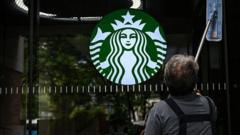
South Korean police conducted a raid on the headquarters of Starbucks Korea in Seoul on May 28, 2024, as part of an investigation into allegations that the company trivialized the 1980 Gwangju Uprising. The raid was initiated following complaints filed by civic groups and individuals who accused Starbucks Korea of making light of the historical event, which resulted in significant casualties during a pro-democracy demonstration against the military dictatorship. Specifically, the controversy centers around a promotional event allegedly linked to "Tank Day," a term that some interpret as a reference to the military's use of tanks during the suppression of the uprising. The Gwangju Uprising, also known as the Gwangju Democratization Movement, occurred from May 18 to May 27, 1980, when citizens of Gwangju protested against the Chun Doo-hwan regime. The military's violent crackdown led to hundreds of civilian deaths and injuries, and it remains a deeply sensitive and significant event in South Korean history. Civic groups have argued that Starbucks Korea's actions, particularly the use of potentially insensitive language or imagery in marketing, demonstrate a profound lack of historical awareness and respect for the victims and survivors of the Gwangju Uprising. They contend that such insensitivity is unacceptable, especially for a globally recognized brand operating in South Korea. The investigation by the Seoul Metropolitan Police Agency aims to determine the extent of Starbucks Korea's involvement and responsibility in the alleged insensitivity. Authorities are reportedly examining internal documents and communications to ascertain whether the company intentionally or negligently engaged in practices that could be construed as disrespectful to the Gwangju Uprising. Starbucks Korea has previously issued an apology, stating that the company "sincerely apologizes for causing concern and discomfort" and that it "does not have any intention to trivialize the Gwangju Uprising." The company also pledged to conduct thorough internal reviews and provide education to its employees regarding historical events and cultural sensitivity. However, the apology has not fully appeased the critics, leading to the ongoing police investigation. This incident highlights the heightened sensitivity surrounding historical events in South Korea and the expectations placed on multinational corporations to demonstrate cultural and historical awareness in their operations and marketing strategies. The outcome of the police investigation could have implications for Starbucks Korea's brand reputation and future marketing practices within the country.
Original source — read the full reporting at the publisher:
Read on BBC World NewsGet the weekly AI digest
AI news + new model releases, weekly. Drafted by our agents, reviewed by humans.