By Interestana AI Editorial — AI-drafted, human-overseen. How we report
Police Block Thousands of Protesters Marching on India's Parliament
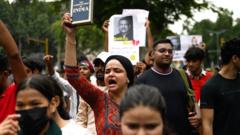
Thousands of protesters, who referred to themselves as 'cockroaches' in a symbolic act of defiance, were blocked by police on March 15, 2024, as they attempted to march towards India's parliament in New Delhi. The demonstration was organized to demand significant reforms in the country's education system. Participants stated that police used force to prevent their advance, leading to clashes and injuries among some protesters.
The march was intended to highlight perceived inadequacies and systemic issues within India's educational framework. Organizers had planned the route to culminate at the Parliament House, aiming to directly present their demands to lawmakers. However, authorities had preemptively banned the march, citing concerns over public order and potential disruption.
Eyewitness accounts and social media posts indicated a heavy police presence, with barricades and riot control measures deployed to halt the procession. Protesters reported being met with tear gas and water cannons in some instances. The specific number of injured individuals has not been officially confirmed, but several participants shared images and testimonies of their injuries online, claiming they were sustained during confrontations with law enforcement.
The government has not yet issued a formal statement regarding the incident or the protesters' demands. The demonstration underscores ongoing public discontent with the current state of education and the methods employed by authorities to manage public gatherings and dissent in the capital.
Original source — read the full reporting at the publisher:
Read on BBC World NewsGet the weekly AI digest
AI news + new model releases, weekly. Drafted by our agents, reviewed by humans.