By Interestana AI Editorial — AI-drafted, human-overseen. How we report
Pokémon Uses Facial Recognition to Combat Card Scalpers in Japan
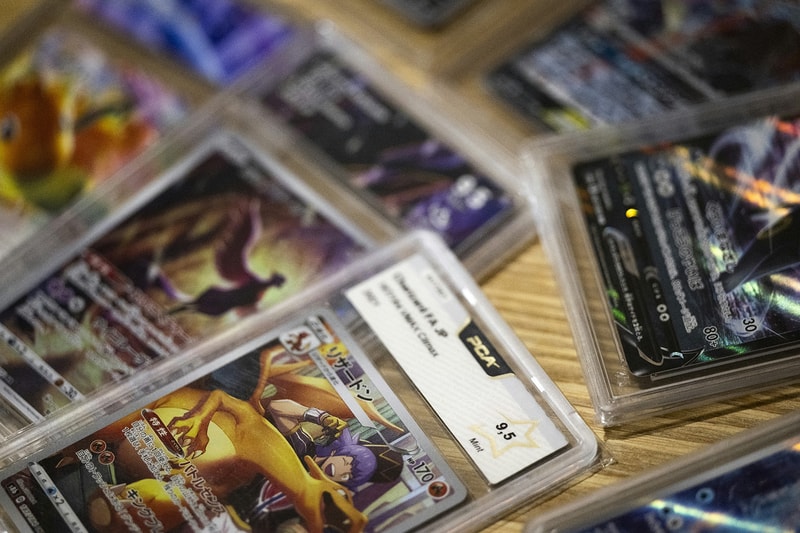
Pokémon is deploying mandatory facial recognition technology at five temporary Pokémon Card Stores across Japan as part of its ongoing campaign against scalping of its Trading Card Game (TCG) products. This new system requires shoppers to undergo a facial scan before they are permitted to enter the store or receive a numbered queue ticket. The implementation coincides with the launch of the TCG's Mega expansion, Storm Emerald, and represents a significant escalation in the company's efforts to deter resellers from acquiring limited stock. The company has stated the system is designed to enforce a one-entry, one-queue-ticket limit per person daily, automatically flagging individuals who attempt to re-enter the queue. This measure is the latest in a series of actions taken by Pokémon to address the persistent issue of scalping, which has become a major challenge for the TCG. High demand and limited print runs have transformed sealed Pokémon TCG products into speculative commodities that frequently sell out before general consumers can purchase them. In response, Pokémon has been developing a range of solutions rather than a single, overarching fix. The facial recognition trial is seen as the most direct and stringent escalation in this campaign. Prior to this, Pokémon had proposed integrating Japan's My Number identity system into specific sales channels, including the Pokémon Center Online, lotteries, and official events. This proposed integration is still under consideration and is tentatively slated for a potential launch around August 2026, though it has not yet been implemented. This initiative aligns with broader efforts within Japan to regulate the trading card resale market and combat counterfeit products. Collectively, these actions indicate a company prepared to explore increasingly rigorous verification methods, moving beyond simple purchase limits to implement strict identity and biometric controls. While not explicitly branded as an anti-scalping tool by the company, the system's design and timing strongly suggest its primary purpose is to curb resale market manipulation and ensure fairer access for genuine collectors. The five temporary stores are located in key areas across Japan, aiming to test the effectiveness of this advanced security measure in high-traffic retail environments. The company has not disclosed specific details regarding the facial recognition technology provider or the data retention policies associated with the scans, which may raise privacy concerns among consumers. However, the company's commitment to addressing scalping appears to be a driving force behind these innovative, albeit controversial, security implementations. The success of this trial could influence future retail strategies for Pokémon products globally, potentially setting a precedent for how collectible card games manage limited releases and combat market speculation.
Original source — read the full reporting at the publisher:
Read on HypebeastGet the weekly AI digest
AI news + new model releases, weekly. Drafted by our agents, reviewed by humans.