By Interestana AI Editorial — AI-drafted, human-overseen. How we report
Pokemon Card Market Surges, Blockchain Seeks Trading Solutions
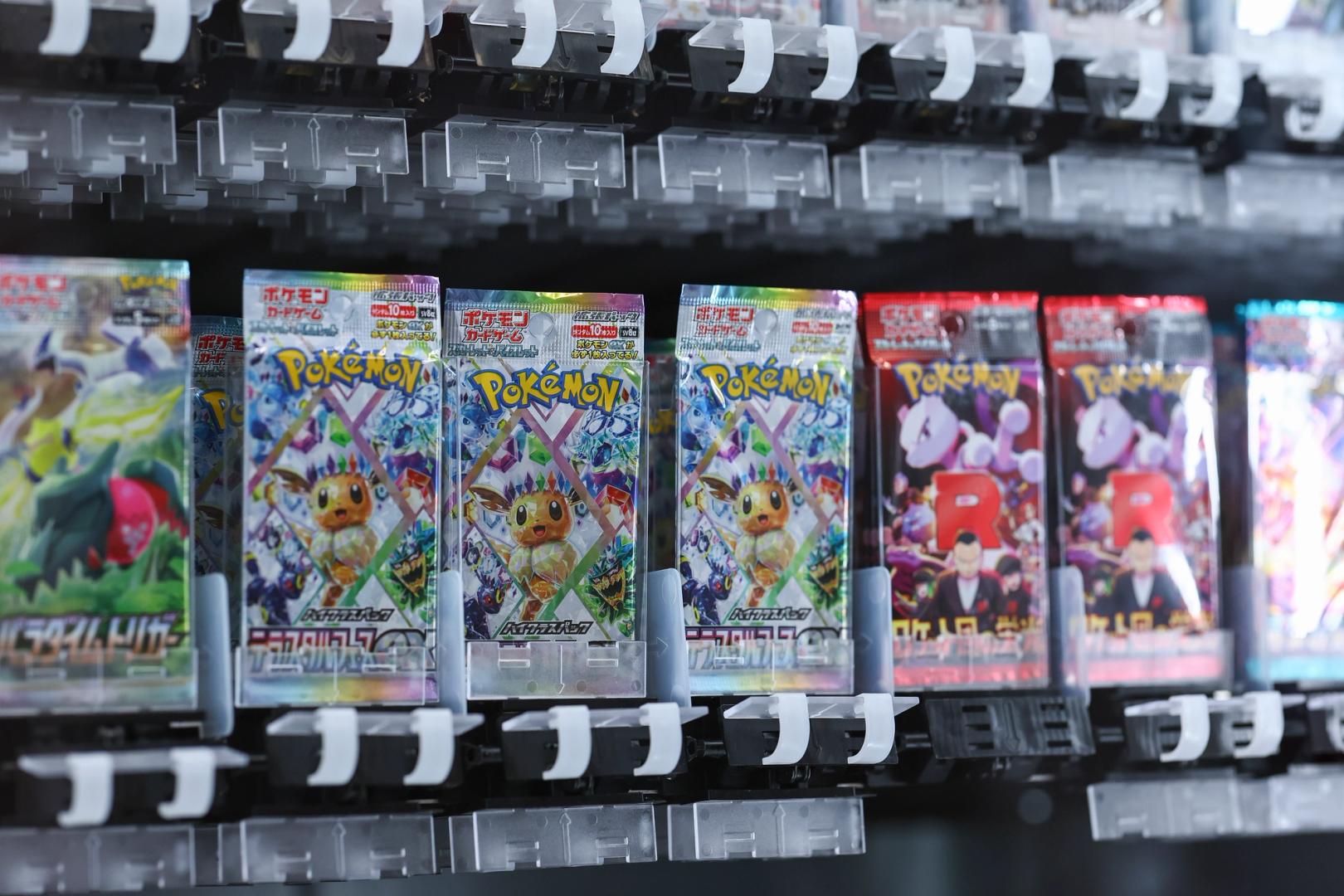
The market for collectible trading cards, particularly those featuring Pokémon, has surged into a multibillion-dollar industry, attracting significant collector spending and investment. This burgeoning market has caught the attention of blockchain startups, which are exploring innovative ways to leverage distributed ledger technology to enhance the trading and ownership of these physical assets. These startups aim to transform physical Pokémon cards into verifiable digital assets, thereby creating new avenues for liquidity and market accessibility.
One of the primary challenges faced by these blockchain initiatives is the creation of sufficient liquidity to rival established trading platforms. Traditional marketplaces for trading cards have developed over decades, building robust networks of buyers and sellers, and sophisticated mechanisms for authentication and valuation. For blockchain-based solutions to gain traction, they must demonstrate an ability to match or exceed the liquidity and user experience offered by these incumbent platforms. This involves not only tokenizing the cards but also facilitating seamless transactions and ensuring the security and transparency of the trading process.
The appeal of Pokémon cards as a collectible asset stems from a combination of nostalgia, rarity, and the potential for significant financial appreciation. High-grade, rare cards have fetched millions of dollars at auction, underscoring their status as valuable alternative investments. This trend has drawn parallels to the early days of cryptocurrency markets, where digital assets also saw rapid growth and increasing mainstream attention. The integration of blockchain technology seeks to build upon this existing enthusiasm by providing a more secure, transparent, and potentially more liquid trading environment.
Startups in this space are working on various solutions, including non-fungible tokens (NFTs) to represent ownership of physical cards, and decentralized exchanges designed to facilitate peer-to-peer trading. The goal is to create a digital layer that enhances the physical trading card experience, making it easier for collectors worldwide to buy, sell, and trade their collections. However, the success of these ventures hinges on their ability to overcome technical hurdles, regulatory uncertainties, and the inherent network effects of established markets. The long-term viability of blockchain in the trading card space will depend on its capacity to offer tangible benefits in terms of security, transparency, and market depth that resonate with both seasoned collectors and new entrants.
Original source — read the full reporting at the publisher:
Read on CoinDeskGet the weekly AI digest
AI news + new model releases, weekly. Drafted by our agents, reviewed by humans.