By Interestana AI Editorial — AI-drafted, human-overseen. How we report
Meta's Pocket App: Democratizing Game Creation Through AI, But With a Walled Garden
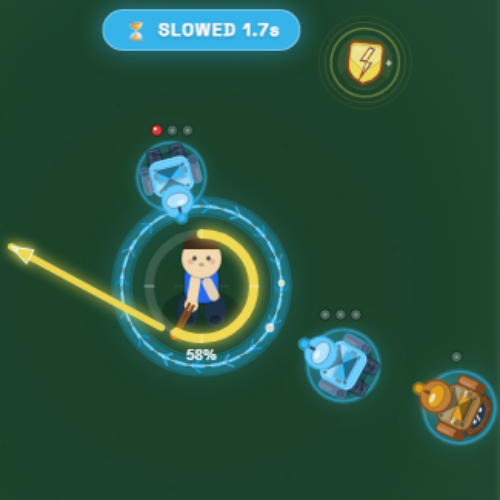
Meta has launched Pocket, a new mobile application that aims to revolutionize software development by making the creation of interactive "gizmos" accessible to everyone, regardless of their coding experience. This initiative taps into the burgeoning field of AI-assisted coding and the concept of "vibe coding," which has already begun to reshape traditional software development workflows. While AI coding tools have existed, their setup often required familiarity with command-line interfaces (CLIs), integrated development environments (IDEs), and terminal-based operations, posing a barrier for those without technical backgrounds. Pocket seeks to eliminate these hurdles, offering an experience as intuitive as posting on social media.
The app, which debuted in the US on Friday, August 21, is the result of Meta's acquisition in March of the team behind Gizmo, a now-defunct app that pioneered a similar "vibe coding" approach. Pocket allows users to generate fully functional interactive creations simply by typing prompts into a text box, with no direct exposure to or option to view underlying code. These "gizmos" can then be shared within the Pocket ecosystem, which is designed with a social media-like interface reminiscent of TikTok. This includes features such as likes, comments, and reposts, fostering a community around user-generated content and encouraging rapid iteration and feedback.
The author of the article spent approximately a week experimenting with Pocket and found the process of quickly developing functional, relatively feature-rich game prototypes to be highly engaging. The core of this experience lies in conversing with a large language model (LLM) that translates natural language prompts into executable applications. This abstraction of complex coding processes makes game development accessible to a wider audience, potentially unlocking a wave of creativity from individuals who might otherwise be deterred by the technical demands of traditional programming.
However, a significant drawback highlighted is the proprietary nature of Pocket. The interactive toys and game prototypes created through the app are effectively trapped within Meta's "walled garden." Despite the time and AI effort invested, there is no apparent mechanism for users to export their creations or transition them into independent projects outside of the Pocket environment. This means that the utility, longevity, and potential commercialization of these AI-generated gizmos are intrinsically tied to the continued operation and accessibility of Meta's Pocket application. The strategic implications of this launch suggest Meta's intent to leverage AI for democratized content creation and to potentially enrich its social media platforms with user-generated interactive experiences, thereby deepening user engagement within its own ecosystem.
Original source — read the full reporting at the publisher:
Read on Ars TechnicaGet the weekly AI digest
AI news + new model releases, weekly. Drafted by our agents, reviewed by humans.