By Interestana AI Editorial — AI-drafted, human-overseen. How we report
DP World Electrifies Port of Santos Fleet
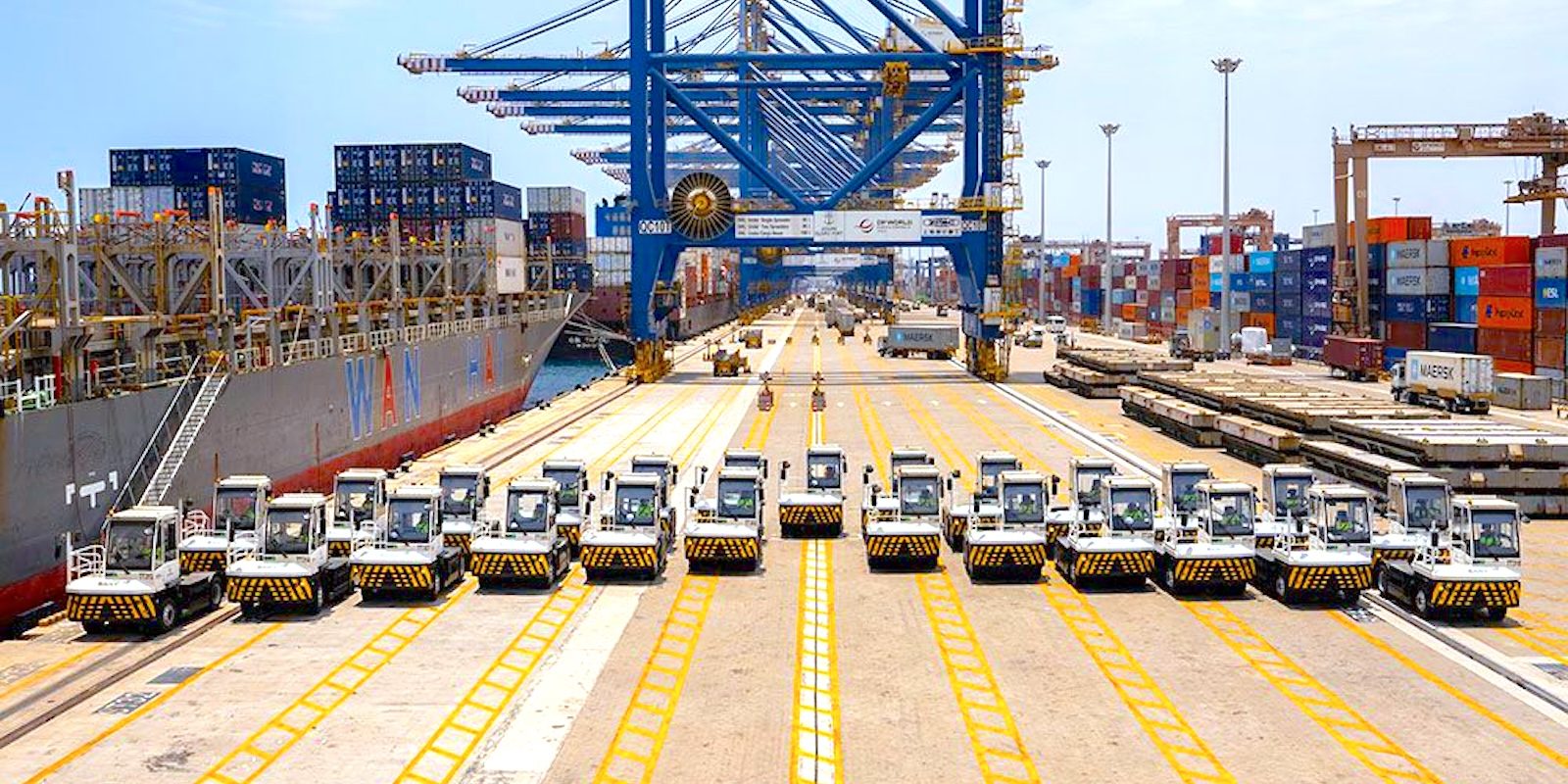
DP World has initiated a significant electrification of its operational fleet at the Port of Santos, Brazil, by introducing 15 battery-electric terminal trucks and three electric reach stackers. This deployment represents a substantial advancement in the company's commitment to clean freight handling and sustainable logistics operations within one of Latin America's most critical and high-volume container ports. The Port of Santos, a vital hub for international trade, handles a vast quantity of cargo, making the transition to electric vehicles a notable step in reducing the environmental impact of port operations. The introduction of these electric vehicles is expected to lead to a reduction in greenhouse gas emissions and air pollutants associated with traditional diesel-powered machinery. This initiative aligns with broader global trends and regulatory pressures pushing the maritime and logistics industries towards decarbonization. DP World's investment in this electric fleet underscores its strategic focus on integrating sustainable technologies into its global port infrastructure. The company has been actively pursuing environmental initiatives across its network, aiming to enhance operational efficiency while minimizing its ecological footprint. The electric reach stackers, in particular, are designed to handle heavy container loads with greater energy efficiency and lower noise pollution compared to their diesel counterparts. Terminal trucks, also known as yard trucks or terminal tractors, are essential for moving containers within the port's yard, and their electrification will contribute to a cleaner working environment for port personnel. The successful integration of these electric vehicles at the Port of Santos could serve as a model for other ports within DP World's portfolio and across the industry. This move is not only about environmental benefits but also about long-term operational cost savings, as electric vehicles typically have lower fuel and maintenance costs. The charging infrastructure required for these vehicles is also a key component of the project, ensuring that the fleet can operate efficiently throughout its shifts. The Port of Santos is a cornerstone of Brazil's economy, facilitating the export of agricultural products, manufactured goods, and the import of various commodities. Enhancing its sustainability profile through electrification is therefore of significant economic and environmental importance. DP World's commitment to electrifying its fleet at this major South American port signals a tangible step towards achieving net-zero emissions targets within the logistics sector. The company's ongoing efforts in sustainability are crucial for meeting the demands of a global economy increasingly focused on environmental responsibility and climate action. The introduction of these 18 electric vehicles is a concrete measure that directly addresses the carbon footprint of port operations, contributing to cleaner air and a healthier environment for the surrounding communities.
Original source — read the full reporting at the publisher:
Read on ElectrekGet the weekly AI digest
AI news + new model releases, weekly. Drafted by our agents, reviewed by humans.