By Interestana AI Editorial — AI-drafted, human-overseen. How we report
French Fires Fueled by 170-Year-Old Land Management
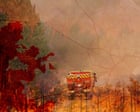
The devastating wildfires that swept through parts of France in the summer of 2026 were exacerbated by land management decisions made 170 years prior, according to an analysis. A decree issued in 1857 initiated the draining of swamps and the widespread planting of monoculture forests, a practice that created conditions ripe for catastrophic fires. These fires burned more land than any previously recorded in France, displaced more people than at any point since World War II, and generated what scientists suspect was the country's first firestorm thundercloud. The smoke from the largest inferno in nearly 80 years, which raged in forests outside Bordeaux in late July, significantly impacted air quality in cities far from the blaze, with Limoges experiencing toxic dust levels exceeding those in Delhi during its worst smog days in the previous year. The fires, which took only a few weeks to dramatically alter France's relationship with fire, were the culmination of centuries of environmental changes and specific historical interventions.
The 1857 decree aimed to transform marshy areas into productive land, a common approach in 19th-century European land reclamation projects. However, the focus on planting vast tracts of single tree species, primarily pines, created dense, highly flammable fuel beds. Pines produce significant amounts of dry, resinous detritus, such as needles and cones, which accumulate on the forest floor and ignite easily. This monoculture approach also reduced the natural biodiversity and resilience of the forest ecosystems, making them more vulnerable to large-scale disturbances like fire. Over decades, these forests matured into dense stands, increasingly susceptible to the effects of drought and high temperatures.
Compounding the issue of historical land use, global heating has significantly increased the frequency and intensity of heatwaves and droughts in France. The prolonged dry spells and exceptionally high temperatures experienced in the summer of 2026 created tinderbox conditions across the country. The combination of highly flammable monoculture forests, built up over more than a century, and the extreme climatic conditions of 2026 created a perfect storm for the unprecedented scale of the wildfires. The fires demonstrated the long-term consequences of past environmental policies when confronted with the realities of a changing climate, highlighting the vulnerability of landscapes shaped by human intervention and susceptible to natural forces.
The visual guide accompanying the analysis illustrates how the landscape, transformed by the 1857 decree, became a significant contributing factor to the scale of the destruction. The planting of pine monocultures, intended for economic purposes such as timber production, inadvertently created a landscape that was a fire hazard. The accumulation of pine detritus, coupled with the dense canopy, allowed fires to spread rapidly and intensely. The fires' impact extended beyond the immediate destruction of forests and homes, affecting air quality across vast distances and posing significant risks to public health. The events of 2026 served as a stark reminder of the interconnectedness of historical land use, ecological management, and the escalating threat of climate change.
Original source — read the full reporting at the publisher:
Read on The Guardian EnvironmentGet the weekly AI digest
AI news + new model releases, weekly. Drafted by our agents, reviewed by humans.