By Interestana AI Editorial — AI-drafted, human-overseen. How we report
Physical Video Game Sales Decline Sharply
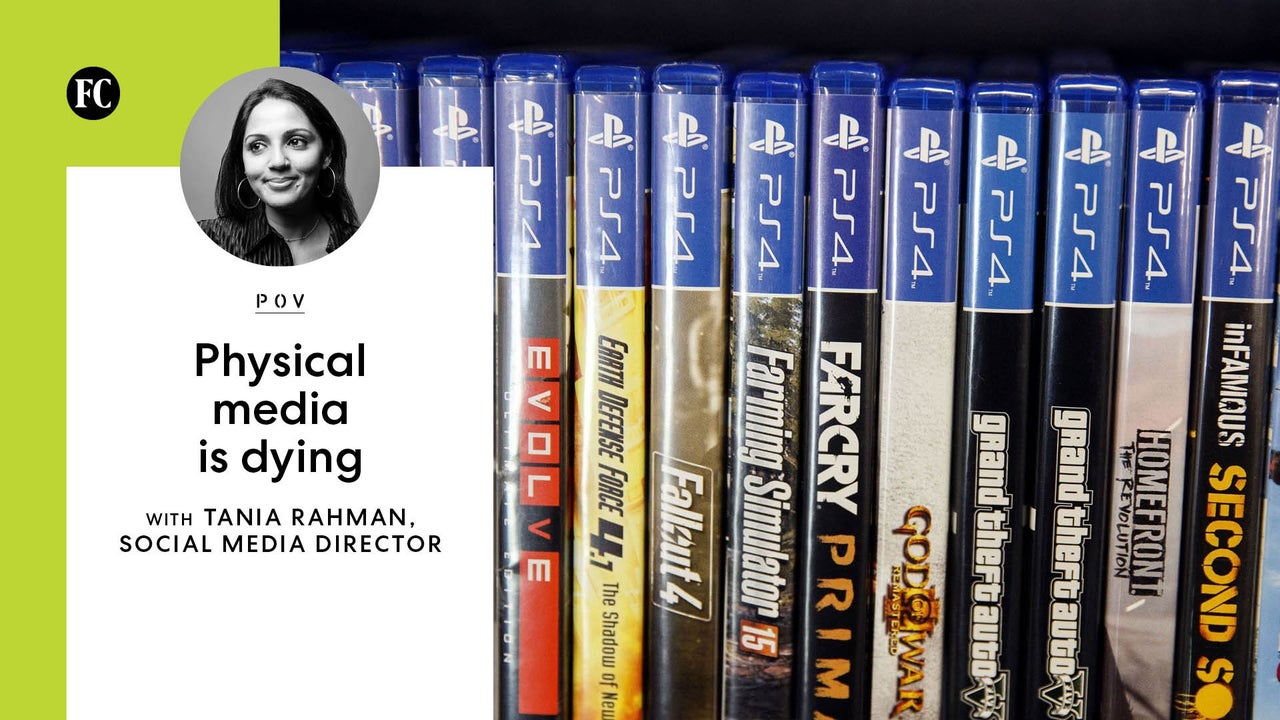
The market for physical video game copies is experiencing a significant decline, making it increasingly difficult for consumers to purchase tangible media. This trend signifies a broader shift in the gaming industry towards digital distribution, which, while offering convenience, fundamentally alters the concept of game ownership for consumers. Unlike physical copies, digital games are licensed rather than owned, meaning players do not possess the game itself but rather a right to access it, which can be revoked or altered by the publisher. This lack of true ownership raises concerns about long-term access, resale value, and the potential for digital storefronts to disappear, rendering purchased games inaccessible.
Major retailers have been scaling back their physical game sections, with some entirely ceasing to stock new releases. This reduction in retail presence is a direct response to declining sales figures for physical media, which have been outpaced by the growth of digital downloads and streaming services. The convenience of instant downloads and the elimination of the need for physical storage space have driven many gamers towards digital purchases. However, this transition also means that the secondary market for used games, a significant revenue stream for some consumers and a way to access older titles, is shrinking. The ability to trade in or resell physical games is a key benefit that digital ownership does not replicate.
Several factors contribute to this shift. The increasing prevalence of high-speed internet has made downloading large game files feasible and relatively quick. Furthermore, game publishers often incentivize digital purchases through exclusive discounts, early access, or bundled content, making the digital option more financially appealing. The rise of subscription services, such as Xbox Game Pass and PlayStation Plus, also offers access to a vast library of games for a monthly fee, further reducing the perceived need to purchase individual titles, whether physical or digital. This ecosystem encourages a model of access over ownership, aligning with the broader trend of digital consumption across various media.
The implications of this trend extend beyond consumer choice. For game developers and publishers, the shift to digital distribution can streamline the supply chain, reduce manufacturing and distribution costs, and provide more direct control over pricing and sales. However, it also concentrates power within a few major digital storefronts, such as Steam, PlayStation Store, and Xbox Games Store, potentially leading to concerns about platform fees and market dominance. The long-term impact on game preservation is also a significant worry, as digital titles are dependent on the continued operation of servers and the availability of compatible hardware and software, which may not be guaranteed indefinitely. The disappearance of physical games represents a fundamental change in how video games are bought, owned, and experienced.
Original source — read the full reporting at the publisher:
Read on Fast CompanyGet the weekly AI digest
AI news + new model releases, weekly. Drafted by our agents, reviewed by humans.