By Interestana AI Editorial — AI-drafted, human-overseen. How we report
Spokane Wildfires Force Mass Evacuations, Destroy Hundreds of Structures
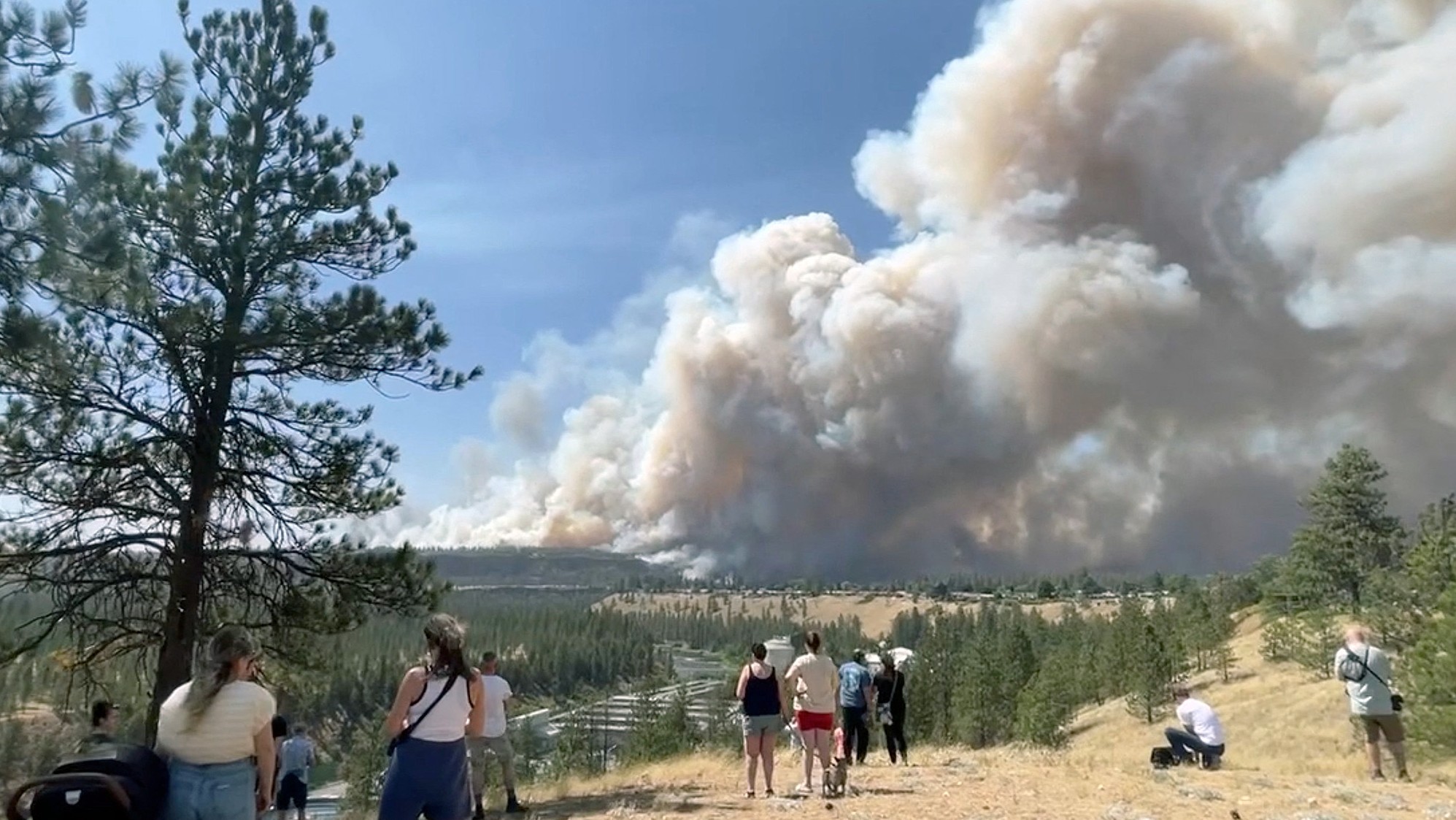
Tens of thousands of residents in Spokane, Washington, were compelled to evacuate their homes over the weekend as three rapidly spreading wildfires consumed forests and residential neighborhoods. The fires, which began over the weekend, have been characterized by their swift movement and intensity, overwhelming initial containment efforts. As of the latest reports, an alarming number of structures, exceeding 600, have been destroyed by the infernos, which remain uncontained. This destruction signifies a significant loss of property and personal belongings for the affected communities.
The scale of the destruction underscores the increasing threat of wildfires in the Pacific Northwest, a region increasingly susceptible to such events. This heightened risk is exacerbated by a confluence of environmental factors, including prolonged dry conditions and high winds, which create an ideal environment for fire ignition and rapid propagation. These conditions have been a recurring challenge for the region in recent years, leading to more frequent and severe wildfire seasons.
Emergency services and firefighting crews from multiple agencies, including local fire departments and potentially state or federal resources, are on the ground, working tirelessly to gain control of the blazes and assess the full extent of the damage. The immediate focus of these efforts is on preventing further spread of the fires to unburned areas and ensuring the safety of residents who may still be in harm's way. Temporary shelters have been established by local authorities and humanitarian organizations, such as the American Red Cross, to provide refuge and essential services for the thousands of displaced individuals and families.
The long-term implications for the affected communities are profound, encompassing significant rebuilding efforts that will likely span months or even years. Beyond the immediate structural damage, there are potential environmental impacts on the surrounding natural landscape, including the loss of vegetation and the alteration of local ecosystems. Officials are actively investigating the causes of the fires. While preliminary assessments suggest a combination of environmental factors, such as lightning strikes or extreme heat, and potential human activity, including accidental ignitions or arson, may be involved, a definitive cause is yet to be determined.
This incident highlights the critical need for robust wildfire prevention strategies, including public education on fire safety and the maintenance of defensible spaces around homes. It also underscores the necessity for rapid response capabilities in fire-prone areas, emphasizing the importance of well-equipped and adequately staffed firefighting resources. The economic impact of the destruction is expected to be substantial, encompassing the loss of homes, businesses, and vital infrastructure, which will require significant investment in recovery and restoration efforts from both public and private sectors. The fires have also disrupted local services, including transportation networks and utility provisions, adding to the multifaceted challenges faced by the affected population. The ongoing situation necessitates continued public awareness and strict adherence to safety guidelines issued by authorities to mitigate risks during this critical period. The full recovery process is anticipated to be lengthy and complex, involving coordinated efforts from government agencies at all levels, non-profit organizations, and community volunteers. The resilience of the Spokane community will undoubtedly be tested as they navigate the aftermath of this devastating event and work towards rebuilding their lives and neighborhoods.
Original source — read the full reporting at the publisher:
Read on The AtlanticGet the weekly AI digest
AI news + new model releases, weekly. Drafted by our agents, reviewed by humans.