By Interestana AI Editorial — AI-drafted, human-overseen. How we report
Nepal Flash Floods Triggered by Glacier Collapse Kill Over 900
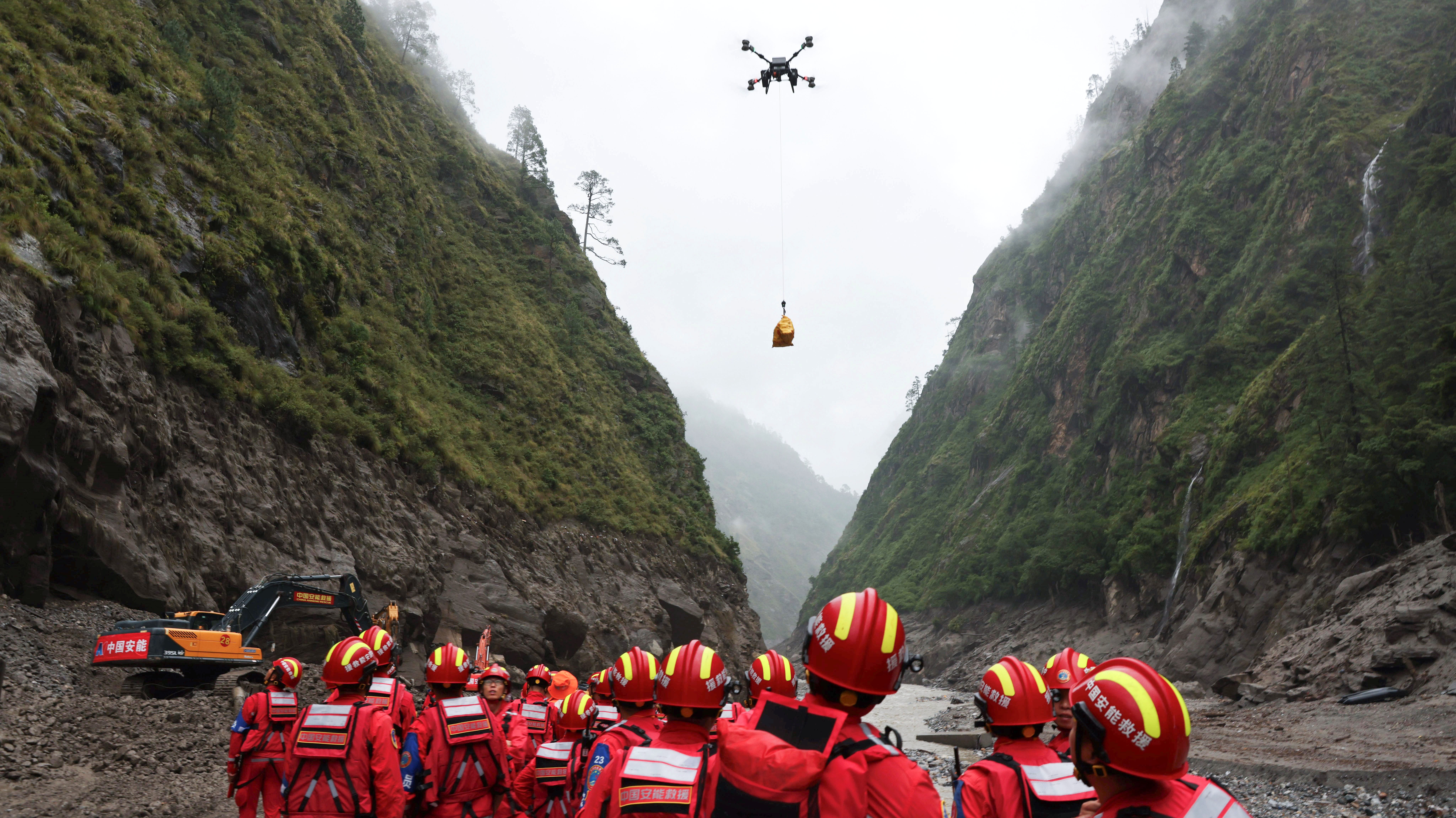
Nepal is grappling with the devastating aftermath of powerful flash floods that swept through hard-hit mountain villages, leaving a trail of destruction and a significant loss of life. As of the latest reports, more than 900 deaths have been confirmed, with rescue and recovery operations ongoing in the affected regions. The catastrophic event has also resulted in a staggering number of missing persons, with nearly 4,000 individuals unaccounted for, raising fears that the death toll may rise further. The floods were triggered by a dramatic glacier collapse on August 26, unleashing torrents of water and debris that inundated communities nestled in the mountainous terrain. The scale of the disaster has overwhelmed local resources, necessitating a concerted effort from national agencies and international aid organizations to provide assistance to survivors and locate those still missing. The images emerging from the affected villages paint a grim picture of the destruction, with homes, infrastructure, and livelihoods obliterated by the force of the water. Rescue teams are working tirelessly in challenging conditions, navigating treacherous landscapes and unstable ground to reach isolated communities and evacuate those in need. The focus remains on searching for survivors and providing essential aid, including shelter, food, and medical care, to the displaced population. The long-term recovery process is expected to be extensive, requiring significant investment in rebuilding infrastructure and supporting the affected communities in their efforts to return to normalcy. The incident highlights the growing vulnerability of mountainous regions to climate-change-induced disasters, particularly the melting of glaciers and the increased risk of glacial lake outburst floods (GLOFs). Experts have long warned about the potential dangers posed by these phenomena in the Himalayas, and this event serves as a stark reminder of the urgent need for enhanced disaster preparedness and mitigation strategies in such geologically sensitive areas. The government of Nepal, in collaboration with international partners, is coordinating a comprehensive response to address the immediate humanitarian crisis and to plan for the long-term reconstruction and resilience-building efforts in the flood-affected areas. The full extent of the human and material losses is still being assessed, but the impact on the communities, many of which rely on agriculture and tourism, is profound and will be felt for years to come. The international community is mobilizing to offer support, recognizing the severity of the crisis and the urgent need for humanitarian assistance.
Original source — read the full reporting at the publisher:
Read on The AtlanticGet the weekly AI digest
AI news + new model releases, weekly. Drafted by our agents, reviewed by humans.