By Interestana AI Editorial — AI-drafted, human-overseen. How we report
European Rivers Hit Record Lows Amid Drought
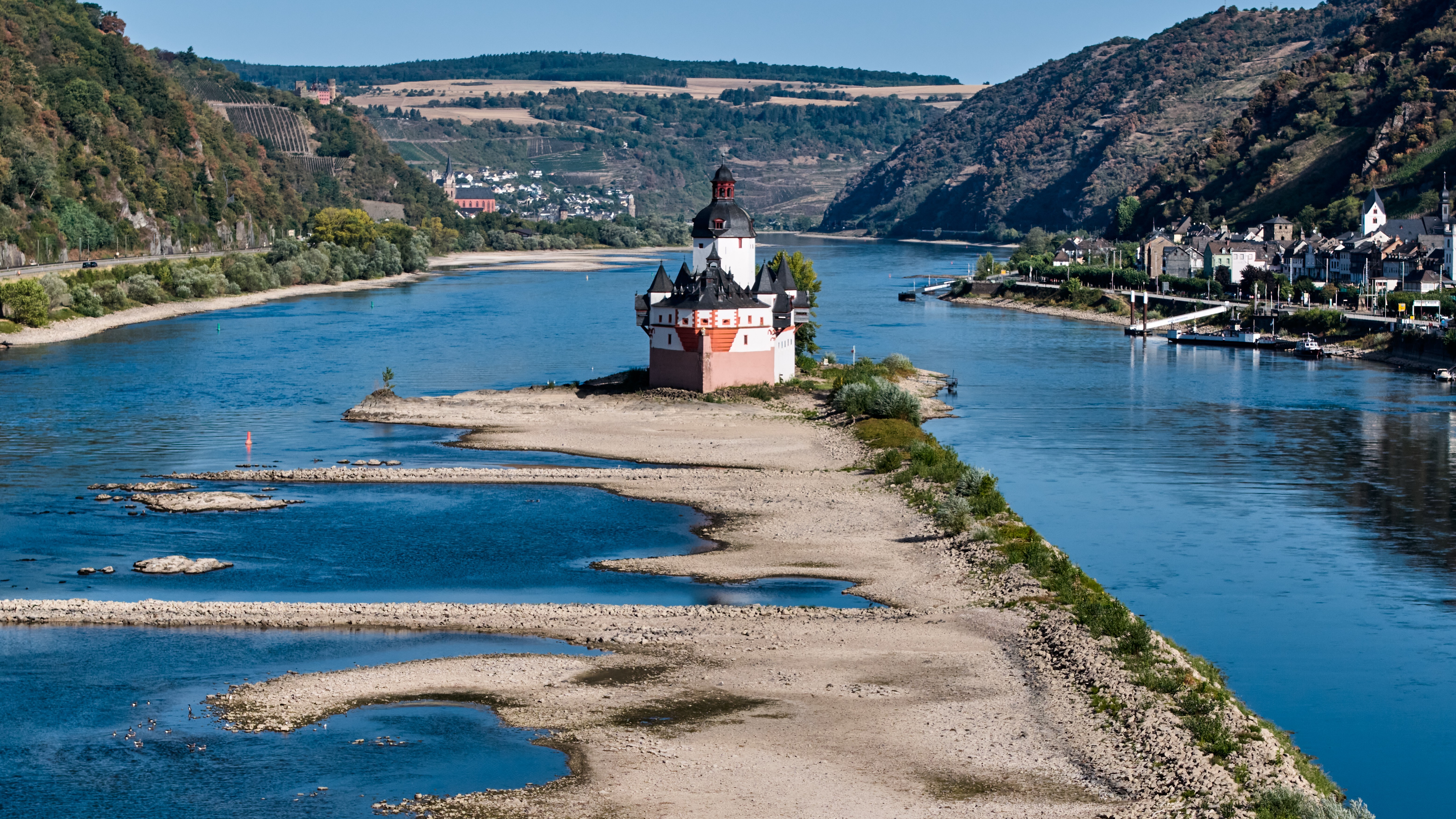
Europe is currently experiencing severe drought conditions, leading to record low water levels in its major inland waterways. This prolonged dry spell, exacerbated by an impending heatwave, has had significant consequences, including the exposure of long-submerged shipwrecks and substantial disruptions to river navigation. The Rhine River, a critical artery for Germany's industrial transport, has seen its water levels drop to critically low points, impacting the movement of goods and raw materials. Similarly, the Danube River, which flows through ten countries, is experiencing reduced navigability, affecting trade and tourism. The Po River in Italy, already struggling with drought earlier in the year, is again facing critically low levels, impacting irrigation for agriculture in the fertile Po Valley. These low water levels not only hinder commercial shipping but also raise concerns about water availability for industrial use, agriculture, and drinking water supplies across the continent. The exposed shipwrecks, some dating back to World War II, serve as stark visual reminders of the severity of the drought and the historical impact of such environmental conditions. For instance, a German-flagged battleship, the "Nibelungen," was reportedly visible in the Danube near Prahovo, Serbia, a vessel that had been sunk in 1944 and contained unexploded ordnance. The Rhine's low levels have led to increased shipping costs as vessels can only carry reduced loads, impacting industries reliant on this transport route. The drought is also affecting hydropower generation in several countries, as reduced water flow limits the capacity of hydroelectric dams. This situation underscores the vulnerability of European infrastructure and economies to climate change and extreme weather events. Environmental agencies and water management authorities are implementing emergency measures, including restrictions on water usage and efforts to manage remaining water resources. The long-term implications of such recurring droughts are a subject of ongoing concern and research, with potential calls for greater investment in water infrastructure and more sustainable water management practices. The current situation highlights the interconnectedness of climate, environment, and economic activity, with the low river levels acting as a visible indicator of broader environmental stress.
Original source — read the full reporting at the publisher:
Read on The AtlanticGet the weekly AI digest
AI news + new model releases, weekly. Drafted by our agents, reviewed by humans.