By Interestana AI Editorial — AI-drafted, human-overseen. How we report
Billionaire Heirs Urge Faster Philanthropy, Milken Institute Reports
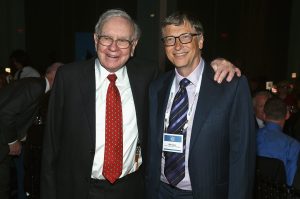
Children of billionaires are increasingly urging their parents and older generations to accelerate philanthropic efforts, according to a report from the Milken Institute and statements from leaders involved in initiatives like the Giving Pledge. This shift is occurring against a backdrop of unprecedented wealth transfer, with an estimated $124 trillion expected to change hands by 2048, and simultaneously soaring wealth inequalities. The Milken Institute's report highlights a growing tension within the philanthropic sector, suggesting a potential "reckoning" as younger generations, particularly Millennials and Gen X, gain more influence over family wealth and charitable strategies.
Melissa Stevens, executive vice president of Milken Institute Strategic Philanthropy and co-author of the report, noted that the current era of extreme wealth inequality sharpens the focus on the wealthy, thereby raising the stakes for philanthropic commitments. For decades, philanthropy has often been characterized by legacy-building and long-term giving strategies. Prominent examples include the Giving Pledge, co-founded in 2010 by Warren Buffett, Bill Gates, and Melinda French Gates, which encourages the world's wealthiest individuals to commit to giving away the majority of their fortunes. However, the intensified scrutiny on extreme wealth has led many younger heirs to question whether these family commitments are being executed with sufficient speed and impact.
Katherine Lorenz, who leads the Giving Pledge's Next Gen group—a network focused on shaping philanthropic strategy among heirs and family members—has observed this generational push firsthand. She stated that many younger individuals are advocating for faster, more risk-tolerant approaches to giving, and for greater trust to be placed in the communities intended to benefit from the donations. Lorenz told Fortune that she sees younger generations actively encouraging their parents to "give more" and "give it away faster," emphasizing that sufficient wealth has already been accumulated. This sentiment suggests a desire to deploy capital more rapidly, with the older generation sometimes being the perceived barrier to faster distribution.
The report and related commentary underscore a broader evolution in philanthropic thinking. While traditional models emphasized long-term endowments and gradual distribution, the current climate, marked by urgent social and environmental challenges and heightened awareness of economic disparities, is fostering a demand for more immediate and impactful interventions. The influence of younger heirs, who are often more exposed to global issues and digital communication platforms that highlight inequalities, is a significant factor driving this change. This generational dynamic is poised to reshape how significant family fortunes are allocated towards addressing societal needs in the coming decades.
Original source — read the full reporting at the publisher:
Read on FortuneGet the weekly AI digest
AI news + new model releases, weekly. Drafted by our agents, reviewed by humans.