By Interestana AI Editorial — AI-drafted, human-overseen. How we report
Petrol Prices May Exceed $2 Per Litre
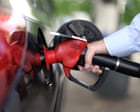
Petrol prices are on track to exceed $2 per litre in Australian capital cities, with diesel prices potentially reaching $2.40 per litre, as the government's fuel excise relief measures conclude. The 16-cent per litre discount on fuel excise, which was halved from an initial 32-cent reduction implemented in March, is set to expire on Sunday. This cessation of the discount is expected to trigger a significant price increase at the pump for consumers across the country. Currently, petrol prices have already surpassed $1.90 per litre in all capital cities, indicating a sharp upward trend even before the full impact of the excise relief ending.
The Australian government introduced the fuel excise reduction in March 2022 as a temporary measure to alleviate cost-of-living pressures during a period of global fuel price spikes. Initially, the excise was cut by 32 cents per litre. However, this reduction was halved to 16 cents per litre in July, extending the relief for a further three months. The upcoming expiration of this remaining 16-cent discount on Sunday marks the complete withdrawal of this government support, leaving consumers to face the full market price of fuel once again. This move has been met with concern from consumer advocacy groups and individuals already struggling with rising inflation and economic uncertainty.
Treasurer Jim Chalmers has indicated that the government is unlikely to extend the fuel excise relief beyond its scheduled end date. This stance suggests a commitment to fiscal responsibility and a potential shift in government strategy regarding subsidies for fuel costs. The decision to end the excise relief is likely influenced by broader economic considerations, including the need to manage the national budget and reduce government debt. While the relief measure provided a temporary buffer for consumers, its ongoing cost to the government's revenue stream is a significant factor in its discontinuation. The government's focus may now shift towards other measures aimed at addressing the cost of living, rather than direct fuel price subsidies.
The impact of these rising fuel prices is expected to be widespread, affecting not only individual households but also businesses that rely heavily on transportation and logistics. Increased fuel costs can translate into higher prices for goods and services, potentially exacerbating inflationary pressures. Industries such as trucking, agriculture, and retail, which have significant fuel expenditures, will likely face increased operational costs. This could lead to price adjustments for consumers, further impacting household budgets. The situation highlights the sensitivity of the Australian economy to global energy markets and the challenges of mitigating the effects of external price shocks on domestic consumers and businesses. The end of the excise relief is a critical juncture, signaling a return to market-driven fuel prices and requiring consumers and businesses to adapt to a new cost environment.
Original source — read the full reporting at the publisher:
Read on The Guardian WorldGet the weekly AI digest
AI news + new model releases, weekly. Drafted by our agents, reviewed by humans.